Why former Williams Racing deputy team principal Claire Williams believes culture decides performance
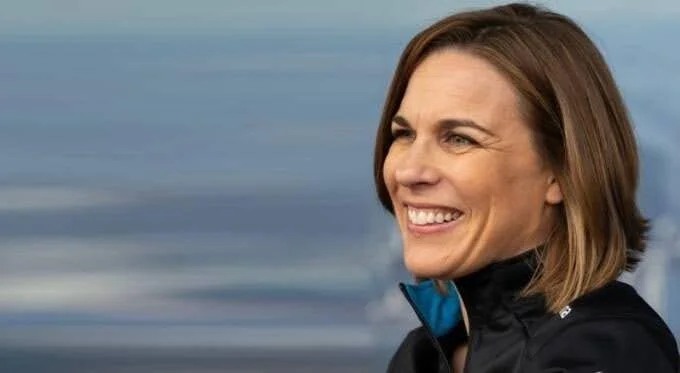
Claire Williams built her reputation in one of the toughest arenas in world sport, rising through Williams Racing from press officer to deputy team principal before later founding Claire Williams Consulting.
Recognised with an OBE for services to Formula 1, she brings first-hand insight into leadership, pressure, performance and the realities of steering an iconic team through change.
As a female inspirational speaker, Williams stands out because her perspective is grounded in lived experience rather than theory.
Her career spans communications, commercial leadership and team management at the highest level of motorsport, giving her a sharp view of what it takes to build trust, drive standards and keep people aligned when scrutiny is constant.
In this exclusive interview with the High Performance Speakers Agency, Claire Williams reflects on leadership, culture, resilience and what sustained success really demands when the margins for error are almost non-existent.
Q1. You launched a major culture reset at Williams in 2018. When did you realise that performance alone was no longer enough, and what did that transformation demand from you as a leader?
Claire Williams: “Yes, I probably started the cultural transformation programme at the tail end of my time running the team, back in 2018. The first four or five years after taking over were very much focused on business transformation, turning the team's fortunes around, and we did that.
“Then, as we probably all would anticipate, when you're doing well, particularly as a sports team, culture just is great. You're winning, everything's happy, no one cares about any little niggles. It actually only becomes really apparent when your culture isn't doing so well, when your business isn't performing, or your team isn't performing.
“That became quickly apparent to me, that our culture just wasn't where I wanted it to be in about 2018, and I needed to do something about it. At the time, our race car wasn't where we wanted it to be. But I'm not an engineer. I can't figure out how to make the front wing fast.
“What I absolutely knew I could do to help drive performance, because I am a massive believer in culture having a huge impact on your team's performance, was affect change when it came to our culture.
“I'd grown up in this team. I knew this amazing culture that my father had really organically created through his work and through how he operated. He created this team that was full of people who were passionate, and all they cared about was going racing.
“All they cared about was winning, and they would roll their sleeves up and do whatever they needed to get that done. But I felt, over the years, we had lost this kind of culture, and I needed to understand why. The only way in which I could do that was to talk to people within the team.
“So, I did this through our mini town halls. I talked to a thousand people over the course of a year to actually understand why we thought our culture wasn't where it needed to be. It was so informative.
“I cannot advocate enough for talking to your people if your culture isn't great, to actually understand why it isn't great, because at the end of the day, they're at the heart of your culture and they understand what's going on in the day-to-day.
“This provided me with the groundwork, I suppose, the blueprint for this cultural transformation programme that we called NextGen Williams. There were a lot of strands to it.
“There was rebuilding our communications, putting in respect initiatives, putting in a Women at Williams network, putting in team-building programmes, new bonus performance-related bonuses at the end of the year, etc.
“There was so much within it. But what we absolutely saw was the power of that cultural transformation programme, the power of NextGen Williams, the power of redefining our mission and our vision and our values.
“All of that absolutely put us back on the path to going back out to the racetrack with our sleeves rolled up, with that core DNA running through us of being pure racers and being there to race to win.”
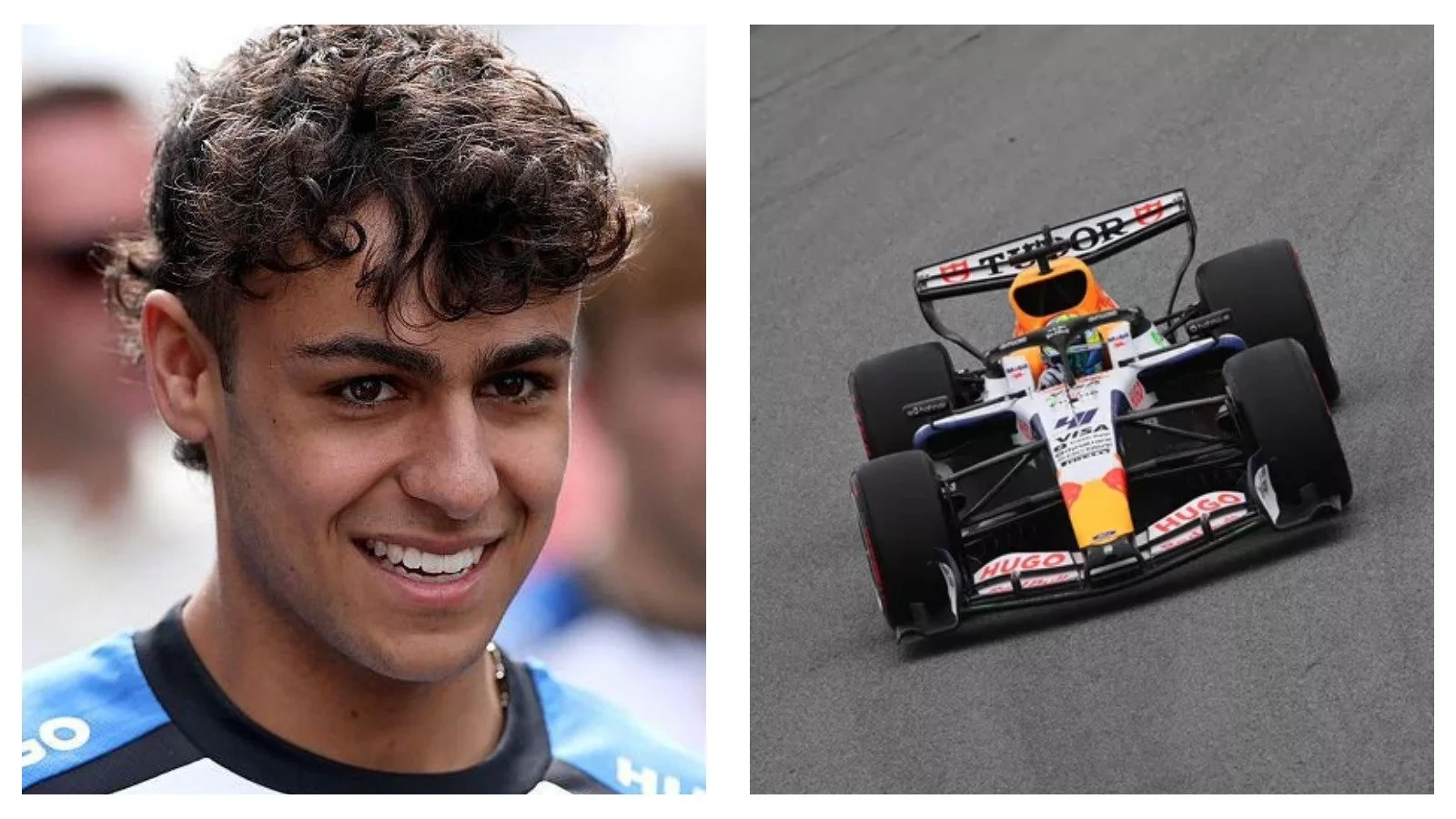
READ MORE: F1 news: A look at Arvid Lindblad, F1’s latest rookie sensation
Q2. Formula 1 is often treated as a leadership case study. From your time at Williams, which lessons genuinely transfer into business, and which mattered most to you?
Claire Williams: “I think the greatest lesson that I probably ever learned from my dad was presence and communication. Those are two of the strongest lessons when I think about my time in F1.
“What I learned from him, and what I learned through being a leader, was the power of presence. Your team want to see you. They want to see you walking around your organisation. It's no good just being sat in your office, and nobody sees you. Have the open-door policy. Go around.
“I used to do regular walkabouts two or three times a week. I used to clear two to three hours of my diary every morning and do a walkabout around the factory. I used to cherry-pick people to talk to, to check in with them, see how they were doing, see what they were working on.
“But of equal importance was asking how they were doing personally, to understand how is their husband, how is their wife, how are their kids, do they have everything that they need? For me, that was really powerful.
“I did this as well through lunches. Every week I would get my PA to invite five people to have lunch with me so that they could tell me the good, the bad and the ugly about Williams. It was no holds barred, but it was so informative for me.
“So, as a leader, that then talks into communications and how important being a good communicator is and understanding the importance of communications when you don't have it, which is a scenario I witnessed endlessly at Williams, of not having this strong tier of communications trickling through your organisation.
“If you don't have that, people don't know what's going on. They don't feel connected. They don't understand what leaders are doing.
“For example, if you're not doing so well, if your business isn't performing well, if you don't have strong communications to talk about what you're doing as leaders to get the business out of the position it's in, how do people trust that you know what you're doing as a leader?
So, from my perspective, those were certainly two of the most important lessons that I learned that I made sure ran through my leadership of the team.
“But there are so many other leadership issues that people can learn from Formula 1. One of them is probably resilience and the importance of having a thick skin when you are a leader, and just letting things fall off, like water off a duck's back.
“You can't let the negative get too much in the way of what you're doing. You've just got to have your goal, your focus, your objective, and make sure that none of that negative noise gets in the way of meeting your targets and your goals as the leader.”
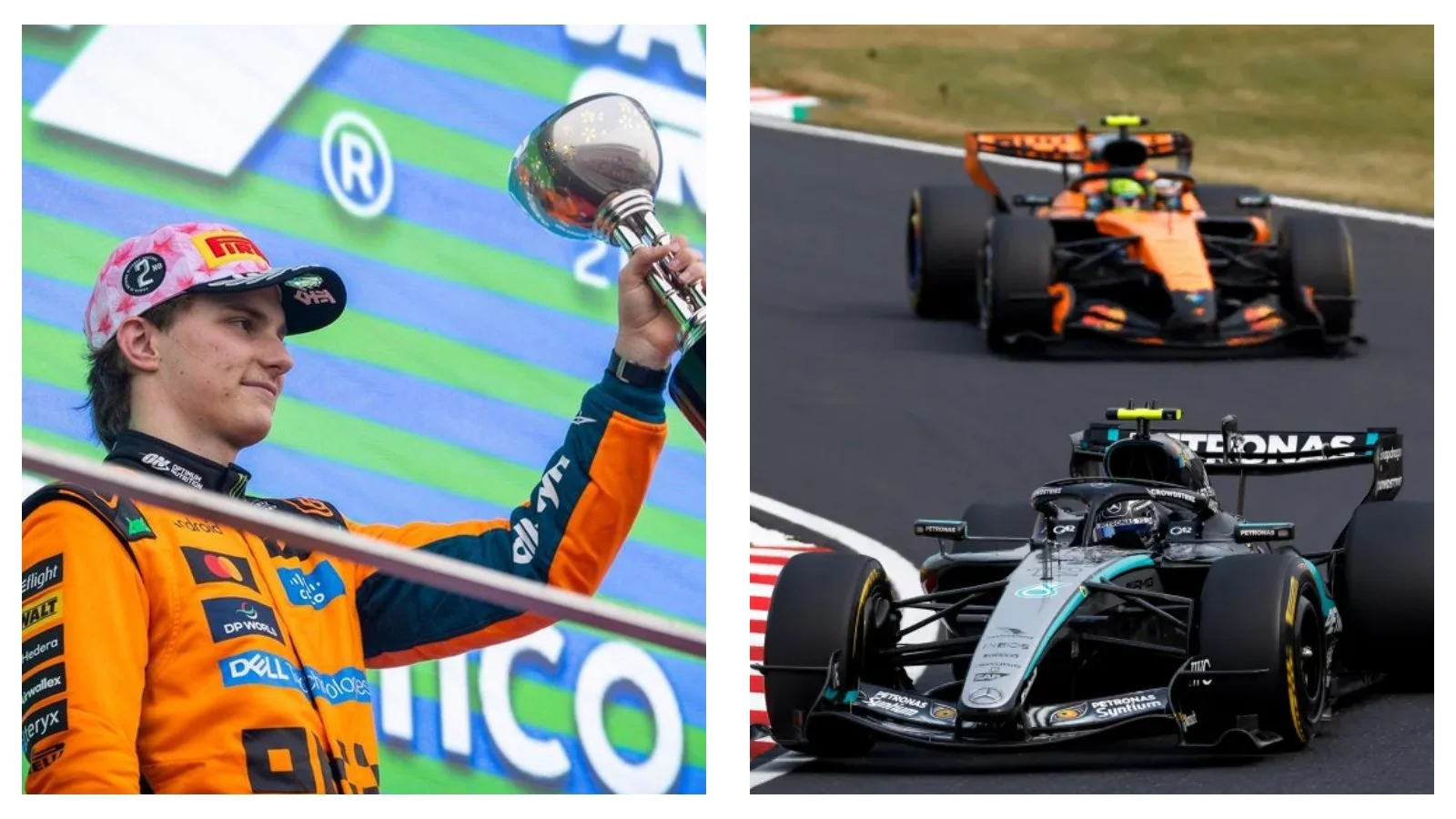
YOU MAY ALSO LIKE: F1 news: Oscar Piastri confident Mercedes can be caught despite dominant 2026 start
Q3. Team principals operate under relentless scrutiny. In a sport as unforgiving as Formula 1, how do you stay calm and effective when the pressure peaks?
Claire Williams: “Breathing. That helps. I say that flippantly, but actually, I mean it in terms of looking after yourself and sometimes taking a pause. As leaders, we can be so wrapped up in the day-to-day that we don't think about ourselves.
“We are always putting everybody else first, our team first, our people first as leaders, worrying about them, making sure they have everything they need. Invariably, as a consequence, we then put ourselves last, and we don't think of ourselves.
“But leadership can be, as we all know, one of the most challenging, high-pressured positions that you can have in an organisation. You absolutely must take the time for yourself, the time to look after yourself, the time to rest and recover.
“Because if you don't do that for yourself, then how are you going to do that for the rest of your team? It's like that brilliant example in an aeroplane. You've got to put your mask on before you help anybody else.
“You've got to take time to rest, to recuperate. I made sure, as much as it always feels difficult to do it, that off the back of a race weekend I always took my day on a Monday or a Tuesday and I did nothing. I think it's really important that you do that as a leader and take the time to rest, but I think it's important equally to have really great people around you.
“Physical and mental wellbeing is hugely powerful when you're a leader. Looking after that, making sure that you get time to exercise, making sure that you're physically fit. I couldn't have done my job if I didn't go running. Running for me was my absolute go-to for physical and mental health.
“Any time that I was a bit stressed, my running shoes would go on, and I would go and run. Every race weekend that we had, I would run the racetracks. Every Friday and Saturday night, my trainers would go on and I'd be out there. I'd be overtaken by everybody else that was out running.
“But it's that moment where you can just take a minute for yourself and process everything that's going on, and then invariably you can get better outcomes when you go back to it.”
This exclusive interview with Claire Williams was conducted by Tabish Ali of the Motivational Speakers Agency.
READ NEXT: Masters 2026 betting tips: Bryson DeChambeau, Robert MacIntyre and Tyrell Hatton in the running