Premier League analysis: Marco Silva and Fulham - Looking back on a defining era
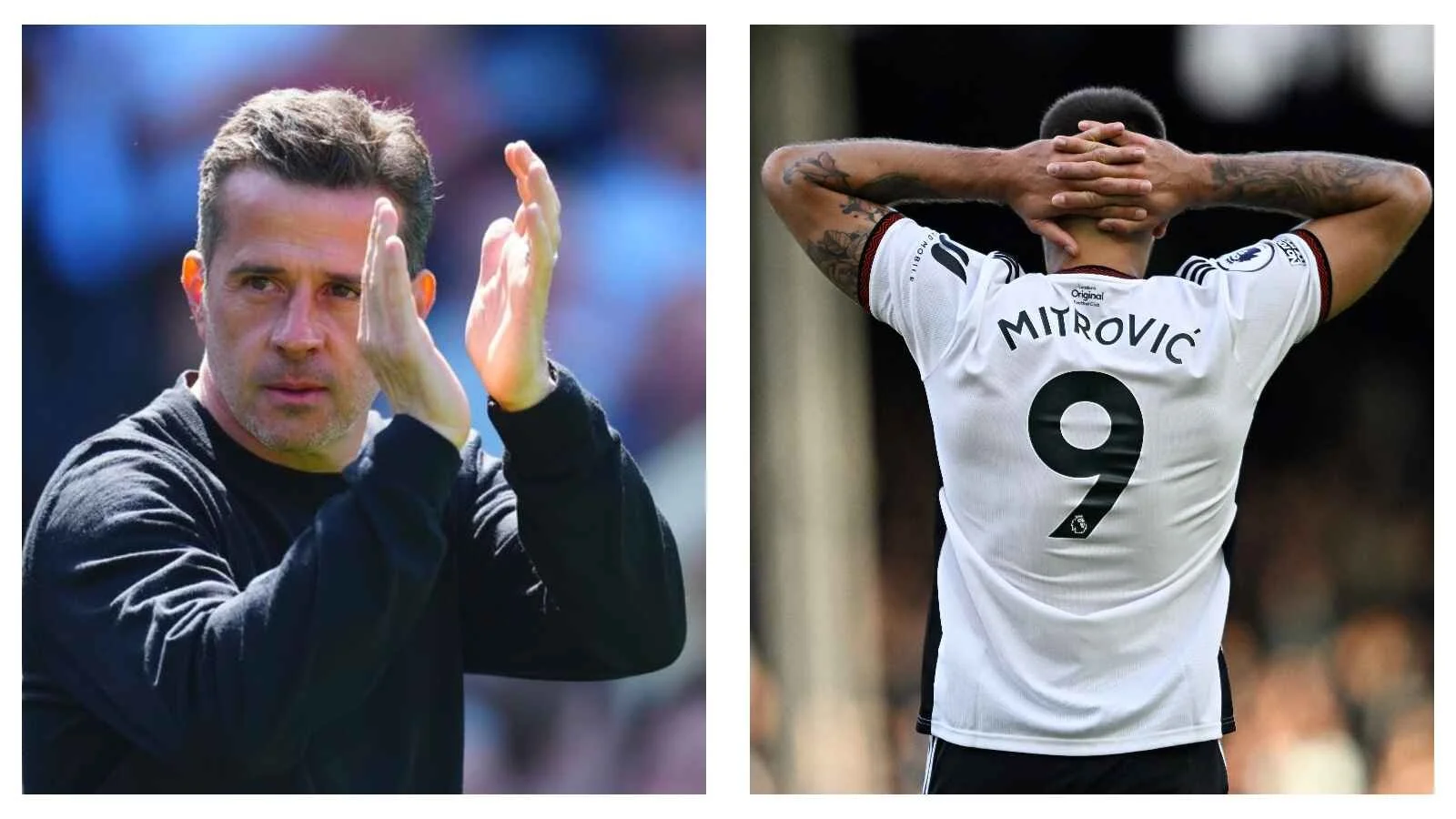
Fulham announced on Tuesday that Marco Silva has left the club after five incredible years at Craven Cottage.
Promotion from the Championship with 90 points, a Carabao Cup semi final, four consecutive mid table Premier League finishes, and an FA Cup quarter final, Marco Silva leaves behind a strong legacy at the helm.
However, a number of questionable defeats and a lack of European qualification did raise questions among supporters.
Was Marco Silva’s time at Fulham a success, or was it ultimately an underachievement?
Sports News Blitz writer Shuei Ishii gives his thoughts.

Season one: Championship glory
Silva arrived at a recently relegated Fulham side low on confidence and stability. It was their second Premier League relegation in three years, and they had begun to look like a classic yo yo club.
Despite that, Silva transformed Fulham into a dominant force. Unlike previous promotions via the playoffs, Fulham controlled the Championship from start to finish. They ended the season with 90 points, three 7-0 wins, and 106 goals scored.
Aleksandar Mitrovic was unstoppable, finishing with 43 goals and breaking the Championship scoring record. It was an emphatic foundation for Silva’s project.
Season two: Ending the yo yo label
Even after promotion, many expected Fulham to struggle and drop straight back down. That belief was strengthened when they opened the season against reigning champions Liverpool.
Instead, Fulham immediately showed they belonged. A 2-2 draw on opening day, with Aleksandar Mitrovic scoring both goals, set the tone.
Throughout the season, Fulham produced notable results, including a win over a heavily backed Chelsea side that had spent over one billion pounds in the transfer market. They also reached the FA Cup quarter final, where they narrowly lost to Manchester United.
Silva guided Fulham to 10th place, their highest Premier League finish in over a decade.
YOU MAY ALSO LIKE: WWE news: Why Oba Femi’s loss to Brock Lesnar at Clash in Italy won’t affect his momentum

Season three: Adapting without Alexsandar Mitrovic
Despite strong performances, Fulham had relied heavily on Aleksandar Mitrovic for goals. His departure to Al Hilal in the Saudi Pro League posed a major test for Silva.
However, Fulham adapted well, finishing 13th and securing wins over teams such as Tottenham and Arsenal. They also recorded emphatic 5-0 victories over Nottingham Forest and West Ham.
The highlight of the season was another strong cup run, with Fulham reaching the Carabao Cup semi final.
Season four: Pushing toward Europe
After consecutive mid table finishes, expectations began to shift from survival to European qualification.
The arrival of club record signing Emile Smith Rowe from Arsenal signalled intent from the Fulham hierarchy.
Silva’s side spent much of the season in the European race, showing consistency and ambition. They also reached another FA Cup quarter final, including a memorable win over Manchester United at Old Trafford before losing to Crystal Palace.
A late season dip ultimately cost them a European place, but Fulham achieved their highest ever Premier League points total under Silva.
Season five: Falling short
Signings such as Oscar Bobb from Manchester City, club record arrival Kevin, and Samuel Chukwueze from AC Milan suggested Fulham were pushing seriously for Europe.
However, despite a strong start, their season faded. Shock defeats to relegation bound West Ham and an FA Cup exit to Championship side Southampton stalled momentum.
By the end of the campaign, Fulham were still in contention for Europe but ultimately fell short after defeat to already relegated Wolves, finishing 11th.
For the first time in his tenure, Silva faced real criticism from sections of the fanbase.
READ MORE: Padel news: Padel 100 launches initiative to provide free padel courts for Irish schools

A victim of his own success
When Marco Silva arrived, Fulham were firmly a yo yo club battling instability. Most supporters would have accepted mid table Premier League football as success.
Instead, Silva raised expectations to the point where European qualification became the standard target.
In that context, 11th place felt disappointing rather than progress. Yet his work fundamentally changed the club’s trajectory and re-established Fulham as a stable Premier League side.
Perhaps, in order for Fulham to take the next step into Europe, a change was needed. Silva’s tenure deserves respect, but football often moves beyond legacy when ambition grows.
READ NEXT: Test cricket betting tips: Suggested bets for England vs New Zealand and India vs Afghanistan