How NBA Game Analysis Helps Fans Make Smarter Betting Decisions
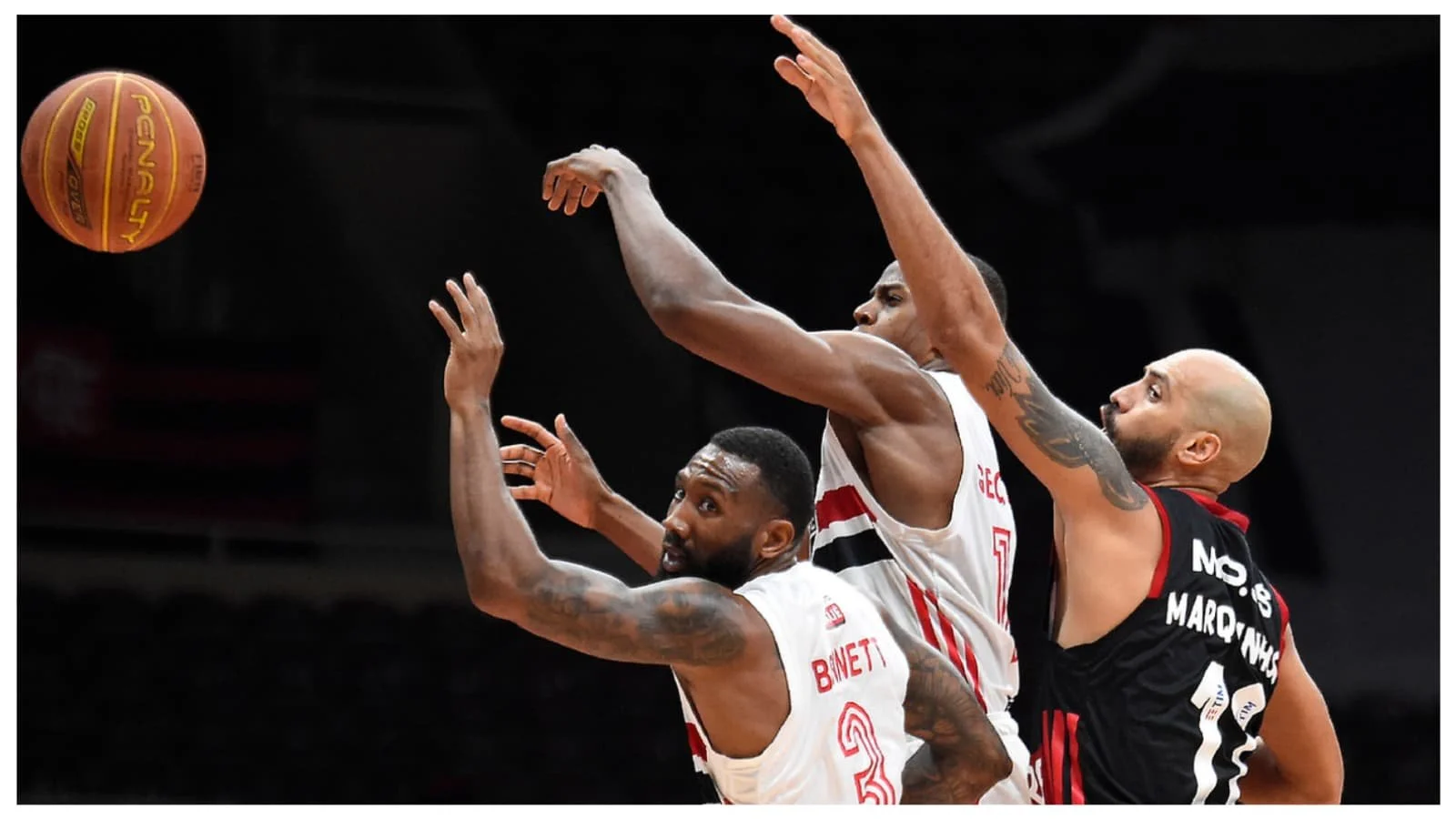
Watching basketball used to mean tracking points, rebounds, and who looked hot. Now fans read games through numbers. Pace, based on publicly available NBA data, measures possessions per 48 minutes, helping explain why faster games inflate production while slower ones reduce randomness.
That shift changed the way fans read a box score. Traditional stats still tell part of the story, but they leave too much in shadow. Twenty points can look impressive until you notice the player needed twenty-two shots to get there. Ten assists sound clean until you realize the team played at a frantic tempo all night. Advanced metrics such as PER, usage rate, and pace help fans separate volume from impact.
They are not magic, but they sharpen the picture and make discussion more honest. Analytics now sound normal in broadcasts, from spacing to possession value. Fans absorb that language fast, read lineup and usage changes better, and make sharper predictions before tipoff.
Key NBA Metrics That Influence Game Predictions
Good NBA prediction starts where the box score gets thinner. It is not enough to ask whether a team scores a lot - the real question is how efficiently it gets there, and whether that process holds up under pressure. Defensive rating matters too, because some teams can drag opponents into ugly, low-rhythm games and stay alive even when their own offense cools off.
Shooting efficiency shows whether points come from quality offense or forced volume
Defensive rating reveals which teams can survive rough stretches
Injuries and rotations can completely reshape usage, spacing, and ball movement
Schedule fatigue matters: back-to-backs, travel, altitude, and early starts all leave marks
The sharpest reads come from stacking these factors together. One stat can tempt you; context usually tells the truth.
How Fans Apply NBA Insights to Betting Platforms
For a lot of NBA fans, the jump from analysis to betting feels natural. They already track pace, injuries, shooting efficiency, and matchup details, so using that same logic on betting platforms is simply the next step. The difference is that good analysis does not eliminate risk - it only helps reduce blind decisions. That is why beginners usually move carefully. Instead of chasing big wins straight away, they test whether their reads on games actually hold up when real stakes enter the picture.
Risk management is what separates experimentation from recklessness. Smart newcomers often start small because a low-risk entry gives them room to learn without turning every mistake into a costly lesson. Some fans use that stage to compare markets, follow their own predictions, and check bonuses for US players as a softer way to test strategies without putting themselves under immediate pressure from losses.
YOU MAY ALSO LIKE: ITV horse racing tips and best bets for Ayr and Newbury on Saturday, April 18

Common Mistakes Fans Make Without Proper Analysis
A lot of bad decisions start with noise disguised as certainty. One explosive performance, one comfortable win, one viral highlight package - and suddenly the next game gets treated like a formality. That is where plenty of fans lose the plot. NBA momentum exists, but emotion from a single night is a weak forecasting tool when separated from matchup context. Basketball is too fluid, too dependent on pace, spacing, defensive discipline, and personnel to be reduced to one loud result from forty-eight minutes.
Overreacting to the most recent game instead of reading the bigger pattern
Treating one huge individual performance as proof that the next outing will look similar
Ignoring matchups, especially against teams with length, switching, and stronger rim protection
Assuming favorites are automatically safer just because they usually win more often
Forgetting that public confidence is often already priced into the line before tipoff
Ignoring schedule context, including travel, back-to-backs, and emotional letdown spots
Trusting team reputation more than current form, health, and tactical fit
The second trap is false comfort. Favorites look clean, familiar, and easy to trust, which is exactly why people lean on them too quickly. But if the market has already absorbed the obvious angle, the value may be gone long before the ball goes up. A strong team can still land in a bad spot: poor matchup, tired legs, missing bench depth, or a defensive scheme that breaks its rhythm. Betting without analysis often means buying certainty at full price - and sometimes at a premium. The mistake is not backing favorites. The mistake is doing it lazily. Just like ignoring betting and bonuses safety online. Don’t do it, it’s not good.
READ NEXT: Rugby league news: Predictions and suggested bets for Super League round eight
Why Smart Betting Starts With the Same Skills as Game Analysis
The overlap is bigger than most fans realize. Good game analysis demands discipline, because you cannot fall in love with one stat and pretend it explains everything. It demands patience, because the clearest edges often appear after you have waited for injury news, lineup confirmation, or market movement. And it demands long term thinking, because one correct idea can still lose on a weird shooting night. It also requires emotional control, especially when the temptation is to react too quickly to a result that feels louder than it really is.
That is also what smart betting asks for. Not brilliance. Not bravado. Repetition, restraint, and a willingness to think in samples instead of stories. The fans who make better decisions are usually the ones who already know how to sit with uncertainty. They study, compare, adjust, and refuse to chase every impulse. They understand that consistency matters more than excitement, and that one disciplined choice often has more value than five rushed ones. In the end, smarter betting does not begin with risk. It begins with the same quiet habit that makes someone good at reading basketball in the first place: paying attention.
Over time, that mindset creates something more valuable than a single winning prediction: perspective. Fans who approach betting like analysis stop expecting perfect control and start respecting probability. They understand that being right for the right reasons matters more than chasing instant validation. That shift changes everything. Instead of treating each game like a personal test, they treat it like part of a larger pattern. And once that habit clicks, smarter decisions stop feeling forced and start becoming automatic.
YOU MAY BE INTERESTED IN: F1 analysis: Five things we could see for the rest of the Formula One season