Women’s sport analysis: 64% of girls drop sport by 16 - Is this their choice?
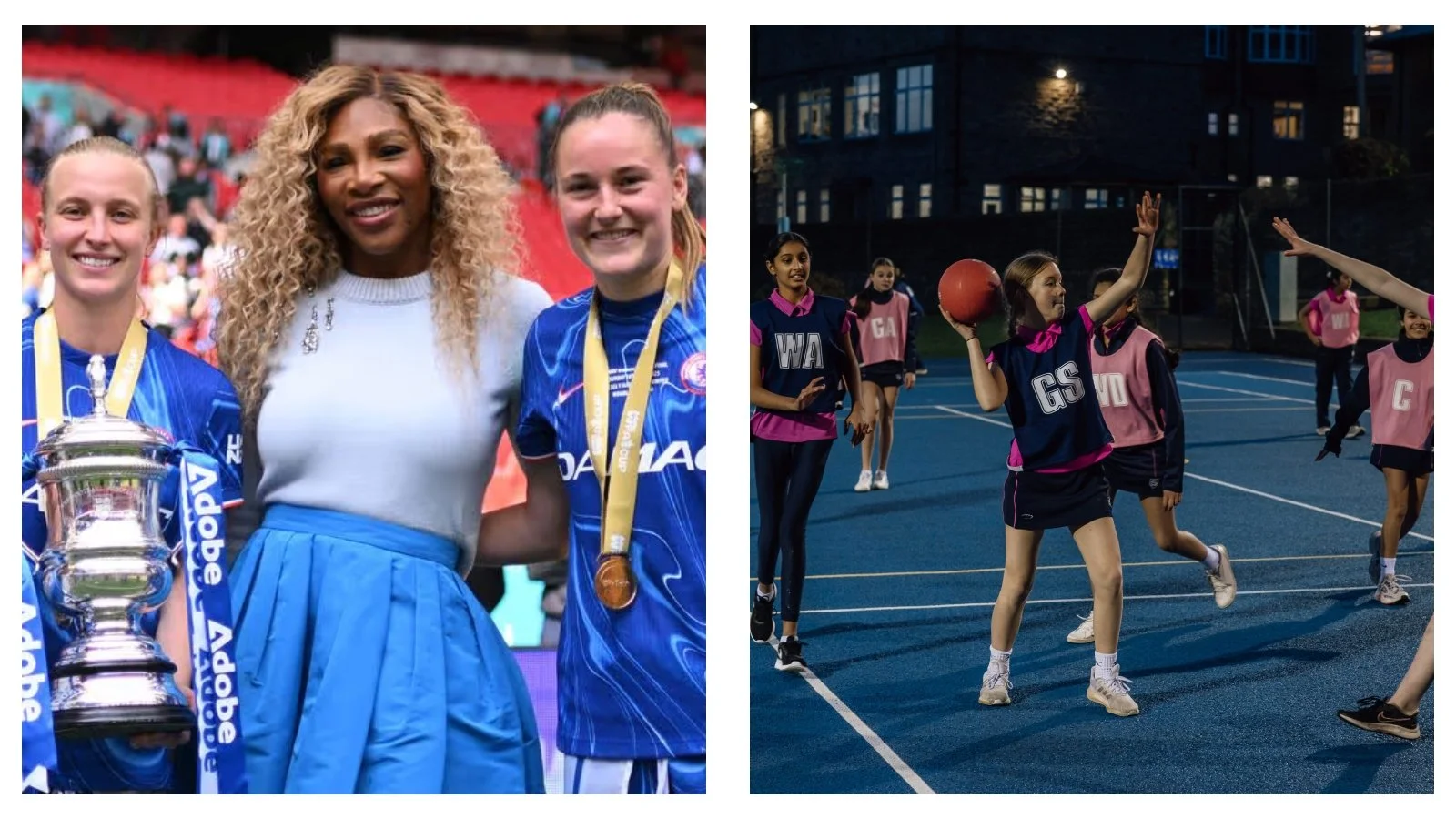
Asics found that 64% of girls drop sports by the age of 16, but don’t accept that girls don’t want to play.
Sports News Blitz writer Abbie Latymer investigates whether girls have no interest in sport - or whether there are barriers stopping them from continuing.
Primary school vs secondary school
YST found that only 56% girls aged 14-15 enjoy PE compared to 86% girls aged 7-8 - a trend that has occurred throughout history.
Research from Gorely et al (2011) found that girls' interest and participation in sport declined as they got older.
However, 62% of secondary school-aged girls want to be more active.
Barriers
Lack of female participation in sport and PE is caused by numerous issues, including social stigma, unsuitable clothing, disproportionate media representation and decreased quality of sport education and opportunities.
The shift
It is difficult being a teenager.
Your body is undertaking various changes: you’re becoming ‘curvier,’ hairier, sweatier and taller.
On top of this, young people begin to experience mood swings and begin their journey to find their identity and their ‘people’.
There’s a reason why there are so many teen rom-coms about struggling during high school.
In sport, these changes make girls become more self-aware and insecure about what others think of them.
68% of girls fear they will be judged when they participate in sport.
The common belief that they will ‘look stupid’ discourages girls from continuing sport.
“I was really concerned by how I looked when I was exercising. I tend to get really red in the face and quite sweaty so I was always scared people would make fun of me.
“Girls and women are so often judged on how ‘attractive’ they are. I think young girls are scared of being seen in ‘unflattering’ circumstances, like exercising,” said a female, 20, who wanted to remain anonymous.
READ MORE: F1 vs NFL: Two sports, one question over women’s place at the top
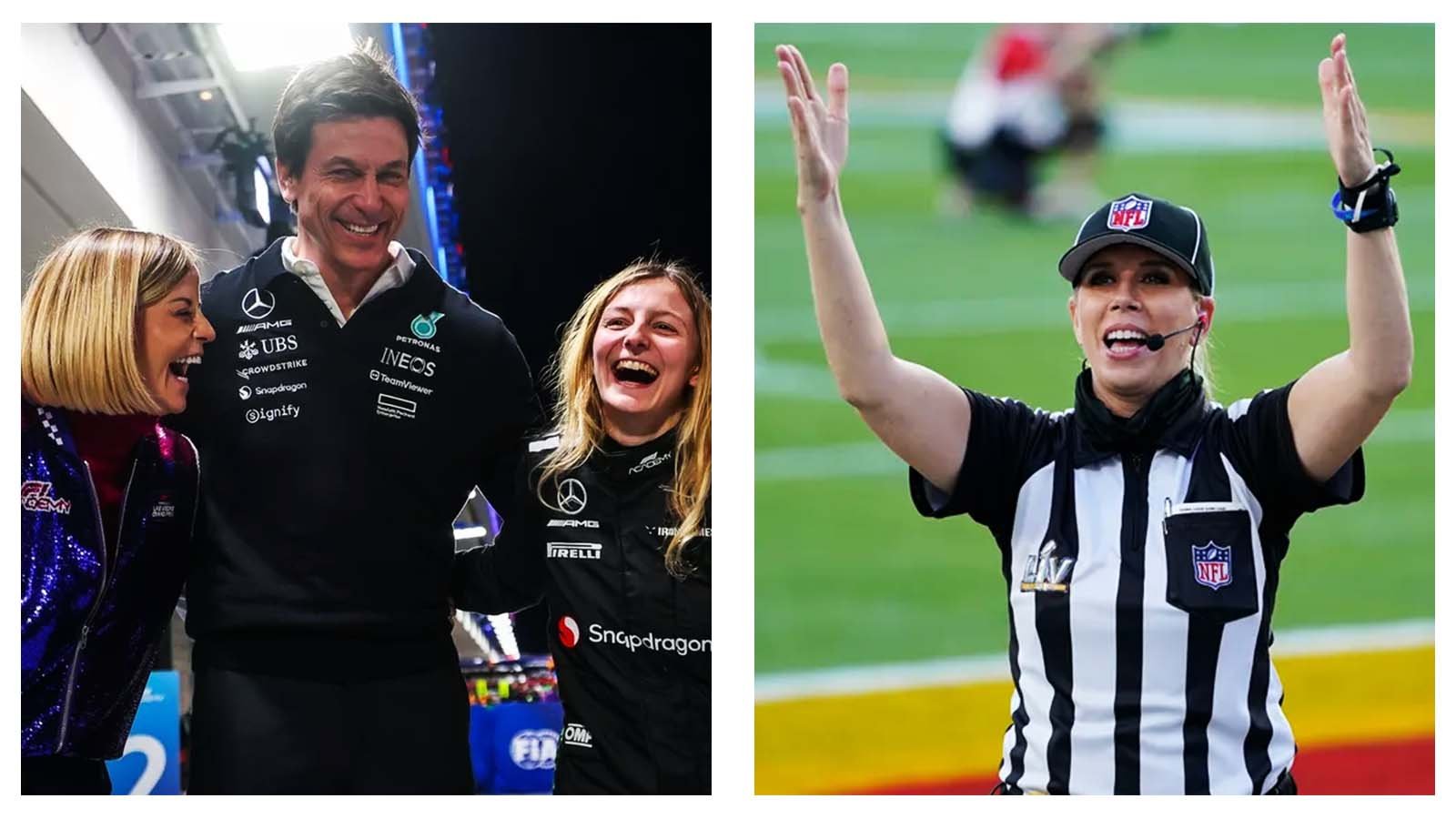
The choice to separate girls and boys
While it makes sense to separate girls and boys in PE to reduce self-consciousness, the quality of opportunities available to girls is significantly lower to their male counterparts.
This needs to change.
I remember endless sessions of table tennis at my school, while boys got to climb or play football and rugby.
The school justified their choice by claiming girls failed to put effort into PE and lacked interest in ‘male’ sports.
“There is still a strong distinction between what are considered ‘male’ and ‘female’ sports, which can affect confidence and participation at such an impressionable age,” said another female, 19, who also wanted to remain anonymous.
It is important that schools are responsive, listen to their students and support individuals, rather than dismiss girls’ voices entirely.
Self-consciousness will always exist, but reducing opportunities won’t fix that.
If schools acknowledge this issue and make it something to laugh about together, they can build a sense of community in the classroom and on the playing fields.
Community builds confidence, after all.
Outside the classroom
While PE plays a huge role in getting young people active, it is important that girls have equal opportunities to enjoy sports outside of school, too.
Young people often stop participating in sports clubs outside of school because they lack time, money, and don’t enjoy the competitive culture that is prevalent in a lot of them.
This has made the gym a popular destination for young people because it is accessible, flexible and non-competitive.
Nonetheless, women are more likely to experience ‘gymtimidation’ than men, making this opportunity something they lack the confidence to pursue.
Suggested solutions for creating more inclusive opportunities for teenage girls include expanding access to a wide range of affordable sports clubs that offer various classes.
Clubs should give the option for social sport as well as competitive sport.
YOU MAY ALSO LIKE: WSL news: England captain Leah Williamson extends her stay with Arsenal

Media representation is pivotal
70% of women claim that the media's portrayal of women influences their own opinion of themselves; 70% women also agree that watching women’s sports empowers them to take up a sport themselves.
Recent sporting victories, including the Lionesses’ UEFA Women’s Euros victories, have increased awareness that girls are interested in ‘male’ sports and made way for more opportunities.
I personally hope that over the next few years, media representation of women’s sport and men’s sport is equal across news platforms and for pubs to show an equal proportion of female and male games.
A word of positivity
Ultimately, sport and exercise release endorphins to boost mood and self-esteem and have repeatedly been shown to improve physical health and encourage social interaction.
Perfection is not the goal; focus on having fun.
Trying out different sports and clubs is a great way to work out what you actually enjoy. Alternatively, speaking to PE staff about what sports you want them to do is another way to try out something different.
You only have to look at a few sporting heroes, like Simone Biles and Serena Williams, to realise that girls can succeed in sport and look amazing while doing so.
You never know...you could be the next sporting role model.
READ NEXT: IndyCar news: Push to Pass rules to change after Long Beach failure