Why NFL Betting Starts Long Before Kick-off
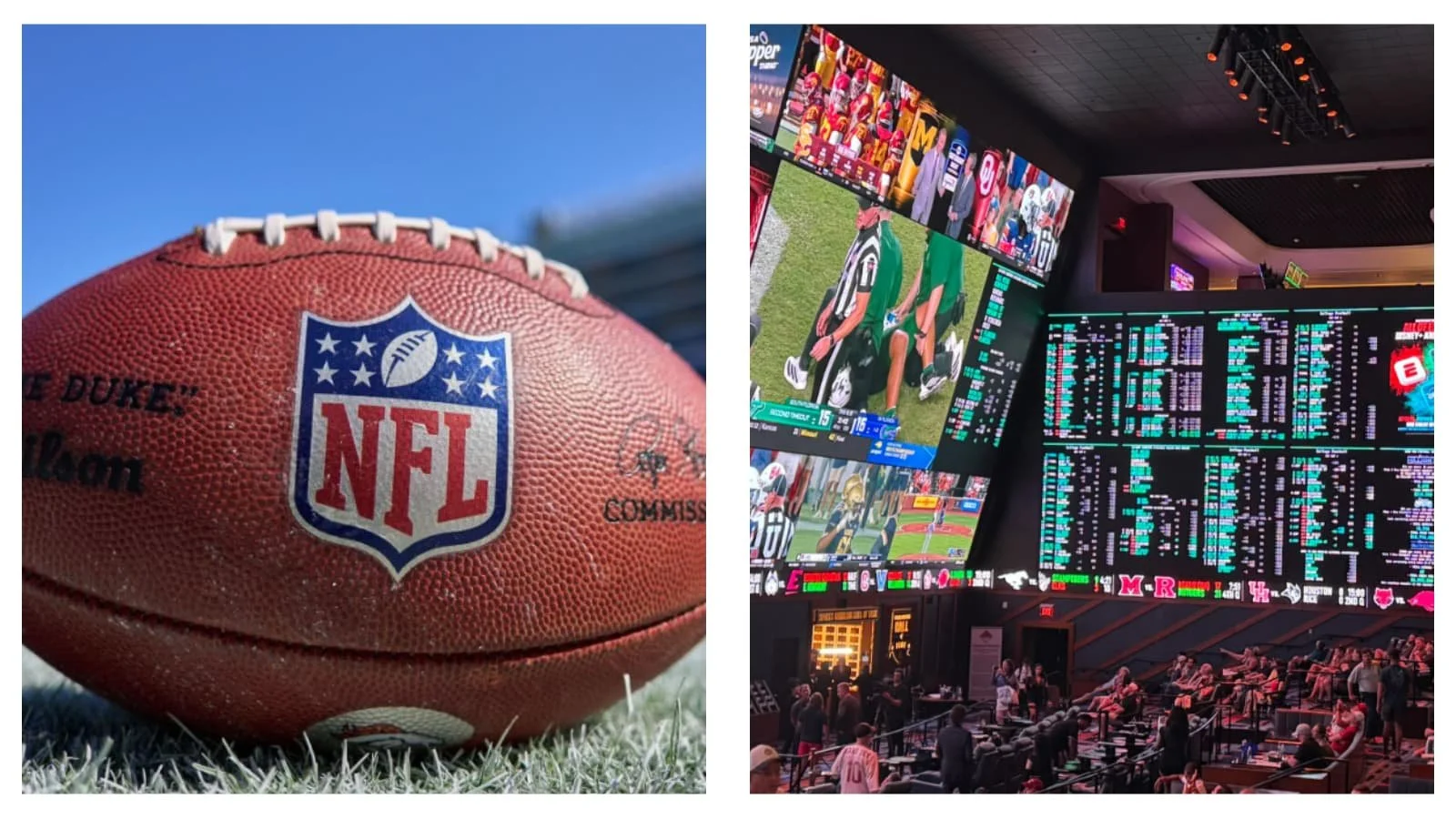
NFL betting is rarely decided by what happens on Sunday alone. By the time the first game begins, the smartest readers have usually spent the week looking at much more than headline form. They are checking travel spots, rest differences, matchup style, injury updates, and how certain teams perform in specific situations rather than simply backing the better-known side.
That matters because the league is built on fine margins. A team coming off a big national TV win can suddenly look much less convincing when facing a short turnaround, a difficult road environment, or an opponent whose strengths directly attack its weaknesses. On the other side, an underdog can become far more interesting when the schedule gives it extra recovery time, home comfort, or a tactical edge that is easy to miss in the opening odds.
One of the best starting points each week is the official NFL schedule. It sounds obvious, but the structure of the slate often tells a deeper story than the table or win-loss records alone. Prime-time games, travel demands, bye-week placement, and divisional matchups all shape how teams prepare and how the market reacts. Looking at the calendar properly can help readers understand why some numbers move quickly while others hold firm until much later in the week.
Looking past the obvious
The biggest mistake casual bettors make is focusing only on the most visible narrative. A star quarterback, a winning streak, or a dramatic comeback can dominate media coverage, but betting value often sits in the less glamorous details. Offensive line injuries, defensive matchup problems, weather conditions, and short-week fatigue can all shift the balance of a game without generating the same level of attention.
This is why line movement should be read carefully rather than blindly followed. Not every market move is a signal to chase. Sometimes the number changes because of public enthusiasm around a popular team. Sometimes it reflects genuine information. Knowing the difference is where disciplined analysis starts. The goal is not to react to every shift but to understand what may have caused it and whether the adjustment has gone too far.
The same principle applies to sportsbook choice. On a busy NFL weekend, usability matters almost as much as price. Readers who follow multiple games at once usually want clear market menus, fast navigation, and a simple live-betting layout that does not slow them down once the action starts. That is why many bettors look through platform reviews such as Everygame sportsbook before the weekend begins. The point is not just to find markets but to understand how a sportsbook performs when game-day traffic, in-play updates, and fast decisions all arrive at the same time.
There is also a wider lesson here for sports readers in general. Good betting analysis is rarely about forcing a pick into existence. It is about narrowing the field, filtering noise, and deciding which games deserve real attention. Some matchups will always attract heavy discussion because of brand-name teams or playoff implications, but the strongest angles are often built on context rather than hype.
That is what makes NFL betting interesting in the first place. The market is active, the information flow is constant, and no two weeks ever look quite the same. Readers who take the time to understand the schedule, read beyond the obvious talking points, and use the right tools to track the board usually give themselves a much better foundation than those who rely only on instinct.
READ MORE: Super Bowl LXI contenders: Who is likely to be on top according to recent odds