The Law of Goals in Halves: Why the Second Half Always Delivers More Action
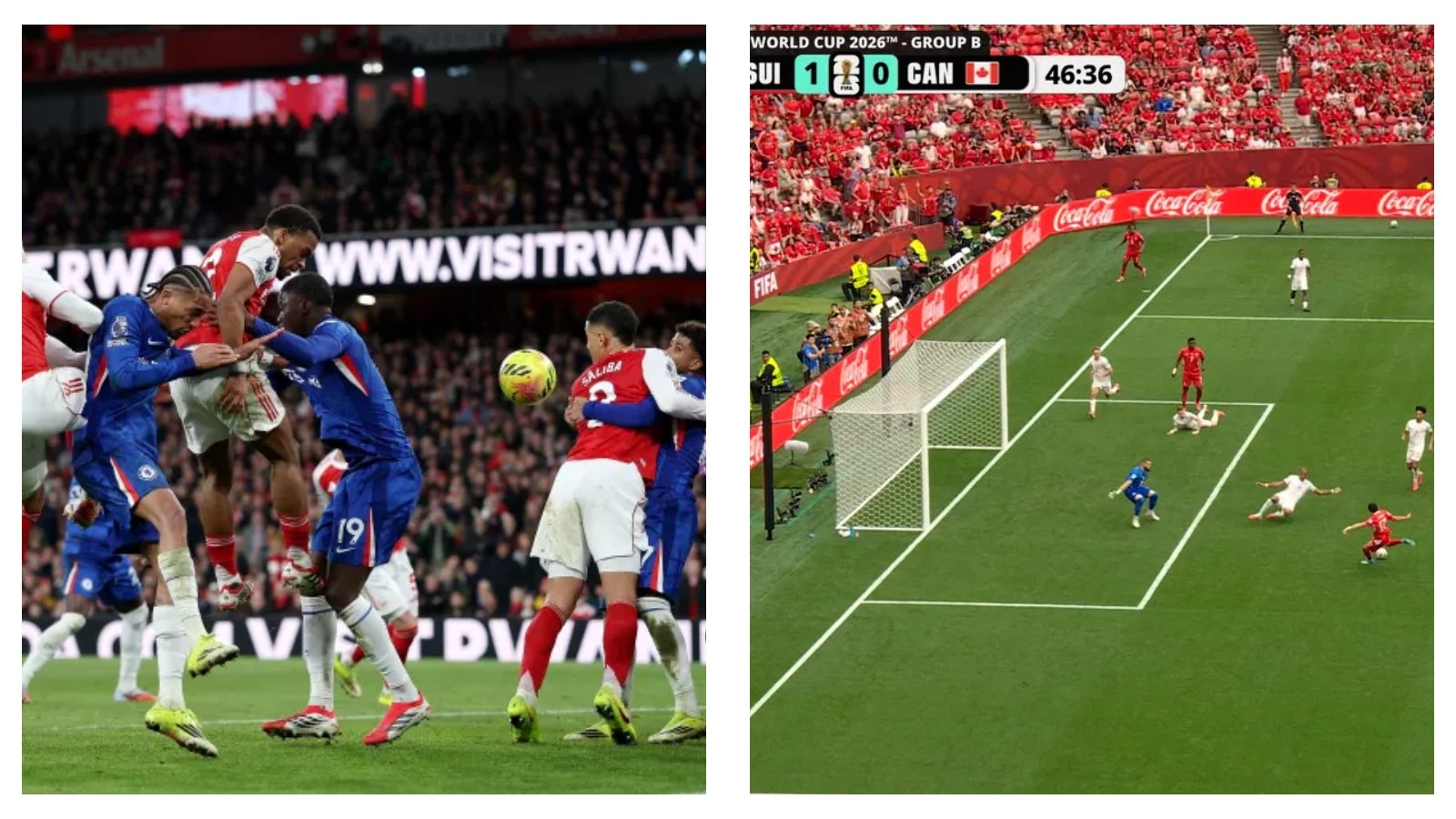
It’s practically a ritual at this point. The whistle goes for halftime, the scoreboard reads 0-0, and you can bet your house someone’s going to state the obvious: “Second half will be better, it’ll open right up.”
The thing is, they're usually bang on. Across every competition you can think of, the second half outdoes the first for goals. And it's not guesswork - it's a proper statistical trend, backed by years and years of evidence.
Let’s break down the fascinating "law" of goals in halves and see why the final 45 minutes of a match are almost always more thrilling than the opening.
The numbers don’t lie: A global phenomenon
You can scour the numbers from all five of Europe's big leagues - Premier League, La Liga, Bundesliga, Serie A, Ligue 1 - and you'll find the exact same thing every time.
The gap between the first and second half is stark. Unmistakable.
First half? Roughly 44%. Second half? A massive 56%.
This isn’t a new trend, either. Go back two decades to the 2002 World Cup and the numbers are there - 57.6% of goals came after the break.
Jump to Qatar 2022, and it's 58.7%. Almost identical. Euro 2004 backs it up too - 57.4% came in the second half.
Even Europe's elite competition backs it up - the Champions League regularly sees 55-57% of its goals come after the break.
It’s a fundamental characteristic of how football matches are played and decided. The pattern is so consistent that professional analysts now use it as a baseline for in-play betting strategies and tactical analysis.
The usual suspects: Fatigue and substitutions
That's the thing about 90 minutes of football - it wears you down. The running drops off, the defensive shape goes out the window, and you start seeing mistakes that simply weren't there in the first half.
Tired legs = poor decisions. A tired defender makes the wrong tackle, loses his man, and gives away chances.
A study on the 2010 World Cup found that at high altitude, teams covered less distance - about 3% less - suggesting greater physical fatigue.
This is where substitutions come into play. The introduction of fresh attackers against weary defenders is a classic, effective move.
The 2022 data also showed that subs scored more than in 2018. Fresh legs are becoming a genuine weapon, not just a token change. It's a simple, effective strategy: get fresh legs on the pitch.
MORE FOR YOU: Newcastle Utd lead tributes as club legend Kevin Keegan dies aged 75 after cancer battle

The ‘burst’ phenomenon: A deeper look
There is a more psychological and data-driven theory that explains the pattern more interestingly, called "bursty" goal-scoring.
A comprehensive study analysing over 3,400 matches across 21 leagues found that the probability of a goal being scored actually increases as the game goes on.
But the most intriguing part is what happens after a goal. Popular punditry often claims that "the five minutes after a goal are the most dangerous."
While the data shows that goals do cluster together, this is largely due to time-dependent constraints rather than a sudden psychological shift for both teams.
However, when you separate the data by which team scored, a fascinating pattern emerges.
The team that just scored is significantly more likely to score the next goal as well.
Score first, and you've got the upper hand. The confidence just skyrockets, the crowd finds their voice, and you can practically see the heads drop on the other side.
The passing paradox: More goals with fewer passes
There’s also a tactical peculiarity at play here.
Look at La Liga in 2018/19 - all 380 games. In the second half, fewer passes were completed. But more goals were scored.
That's the "pass-goal paradox" right there.
On the surface, that seems to contradict the idea that control leads to success. It's simple psychology.
Level or behind in the second half? You stop passing for possession's sake and start playing with purpose. Direct, fast, and risky - but that's where the goals come from.
You see it all the time. The second half starts, and suddenly that neat, patient build-up from the back is nowhere to be seen.
Instead, it's diagonal balls over the top, threaded passes that barely come off, and shots that wouldn't have been attempted 45 minutes earlier.
Half of them don't work, but the ones that do? That's where the goals come from. Goals in the second half are often "cheaper" in terms of passing, but far more plentiful.
YOU MAY ALSO LIKE: Chelsea news: Morgan Rogers on working with Xabi Alonso and Cole Palmer

Where to watch the action unfold
Understanding these patterns changes how you watch the game. You begin to notice the subtle shifts in tempo and intensity.
For those who enjoy the strategic element of football analysis, having a reliable platform to engage with the sport is key.
This is where a platform like Batery Bet in comes into play. It provides the kind of deep statistical insights and professional-level lines that allow you to put this knowledge to the test.
Battery Bet ticks the right boxes too - fully legal, secure, and easy on the eye. The blue-on-gray design is clean, the navigation's intuitive, and finding the data you want takes seconds.
English, Hindi - both fully supported. Battery Bet's made sure Indian bettors don't get left behind.
Whether you are analysing the implications of a second-half substitution or tracking "hot streak" patterns, the mobile app ensures you can stay on top of the action from anywhere.
New users can also explore the welcome bonuses, which are split by preference: sports bettors can claim a 200% first deposit bonus, while casino enthusiasts get a deposit boost and free spins.
It’s a straightforward way to explore the platform’s features while enjoying the beautiful game.
Beyond the first 45 minutes
The trend is so reliable that it has spawned a popular betting strategy known as "Second Half Goals."
Given the statistical weight, many bettors look at over/under markets specifically for the second 45 minutes.
Ultimately, the "law" of goals in halves isn't a law in the physical sense, but rather a deeply ingrained behavioural pattern.
So really, it's a perfect storm.
Tired legs, tactical shifts, and the desperation that creeps in when you're running out of time.
So next time you hear that familiar refrain - “it'll open up in the second half” - don't roll your eyes. Chances are, they're right. Just keep watching.
READ NEXT: The Hundred 2026 – Men’s competition: Outright betting guide, analysis and best bets