Player vs manager – Who matters more in football’s fragile environment?
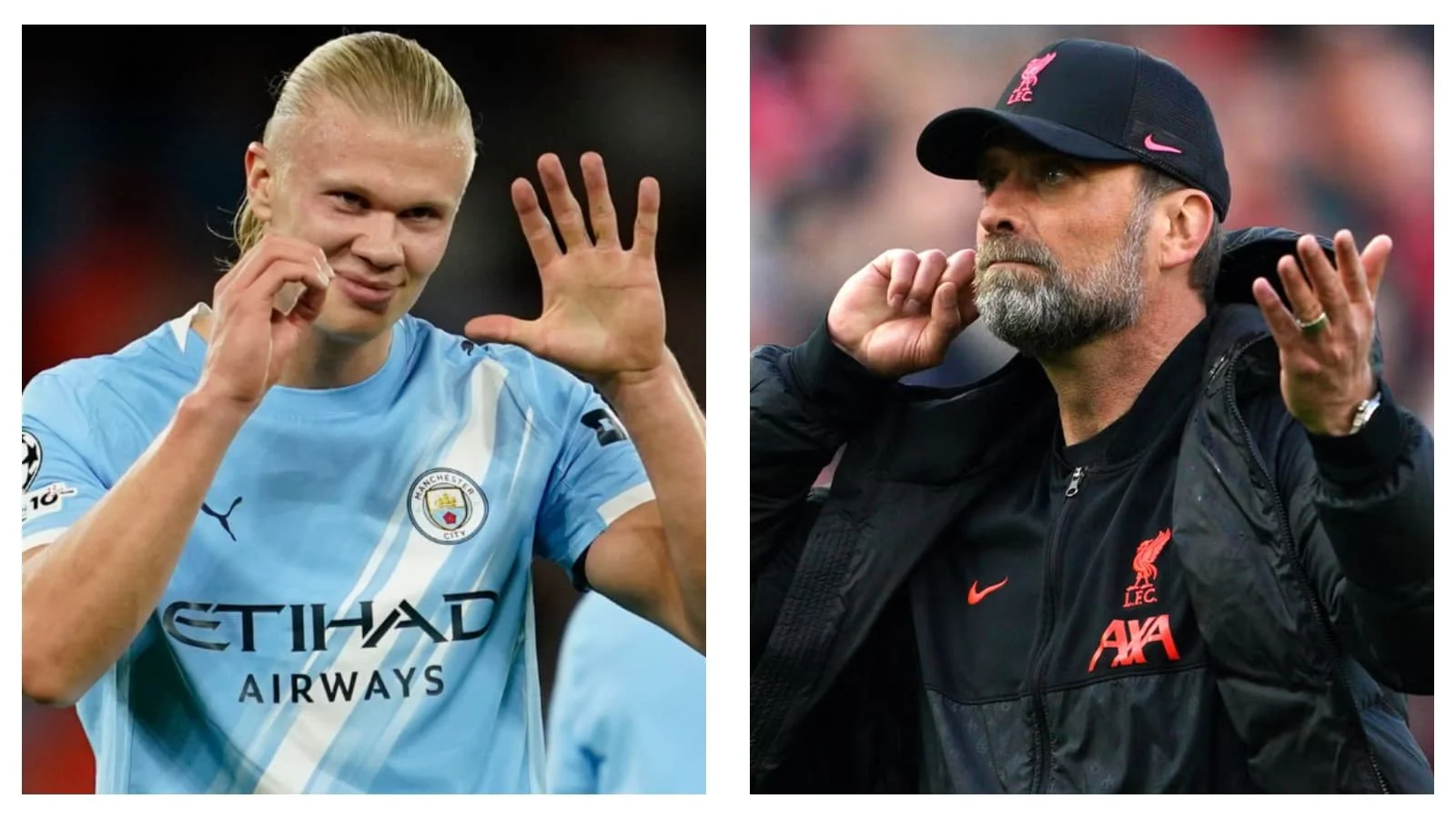
From dazzling forwards to visionary managers, football success hinges on individuals who shape a club’s identity – indeed, the game has always been defined by its people.
Yet, one question continues to divide fans, pundits, and executives alike: what is more damaging to a team, losing a key player or losing a manager?
The answer is far from simple as it depends on philosophy, structure, emotional connection, and ultimately the unique DNA of each club.
Here, Sports News Blitz writer Joshua Topping explores the significance of both players and managers to determine who truly holds greater importance.
When players are assets, not anchors
For some clubs, losing star players is not a crisis, it is the business model.
Teams built on recruitment and development expect turnover. They identify talent early, nurture it, and sell at peak value.
This approach allows sustainability, reinvestment, and long-term competitiveness without emotional attachment dictating decisions.
In such systems, the departure of even the most talented individuals is absorbed into a wider machine.
The player is important, but the structure is greater. Scouts, analysts, and coaching systems ensure replacements are ready or already in place.
Here, losing a player is less about disruption and more about evolution.
This reflects how Borussia Dortmund operates, where losing key players is absorbed into a system built on recruitment, development, and reinvestment.
For example, selling talents like Erling Haaland to reinvest in other young talents.
However, not all clubs operate this way. For elite teams competing at the very top, retaining world-class players becomes essential.
These players are not just performers; they are brands, leaders, and symbols of ambition.
Losing them can weaken not only the squad’s quality, but also its psychological edge. Replacing a generational talent is rarely straightforward, and the ripple effects can be felt for seasons.
READ MORE: FA Cup news: West Ham vs Leeds Utd preview – Wembley awaits winner of quarter-final showdown

The fragility of holding onto greatness
Clubs that rely heavily on star players often face a different kind of pressure: keeping them. Contract negotiations, wage demands, and external interest create constant instability.
When a key player leaves, it can signal decline, even if the team remains competitive on paper.
In these scenarios, the player’s influence extends beyond the pitch. They attract fans, inspire team-mates, and often define the club’s playing style.
Losing such a figure can leave a void that tactics alone cannot fill.
The emotional connection between player and supporters also amplifies the impact, turning a transfer into something far more profound than a simple business decision.
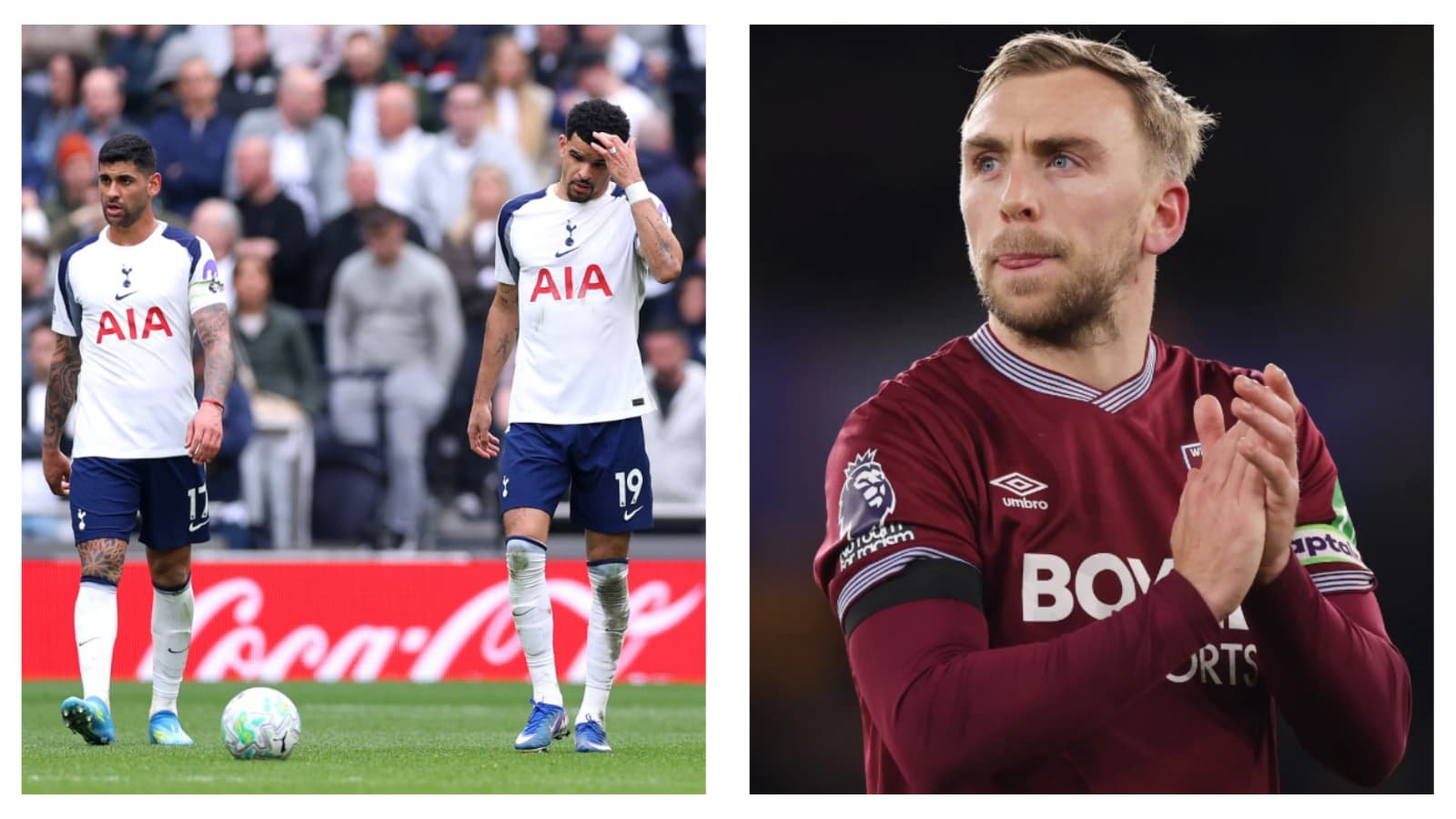
For example, when Harry Kane left Tottenham Hotspur in the summer of 2023, the club struggled to replace his consistent goal-scoring presence, leaving a clear gap in their attacking threat.
YOU MAY ALSO LIKE: Soccer opinion: Is it time for a new Big Six? Who replaces Tottenham Hotspur?
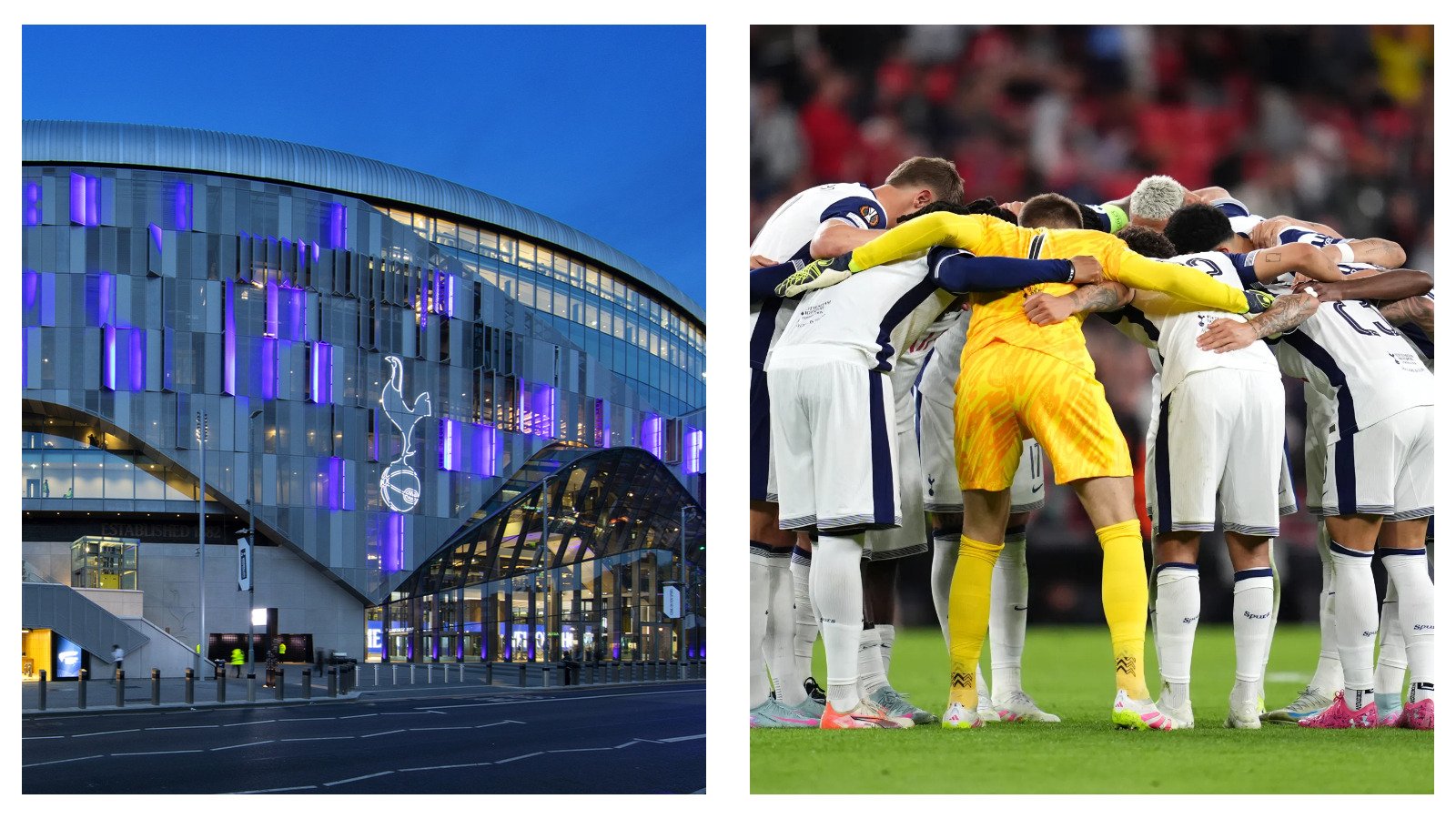
The manager: Architect of identity
While players may win matches, managers shape the entire ecosystem.
They influence tactics, mentality, recruitment, and culture while creating systems that allow individuals to thrive and establishing a philosophy that transcends any single player.
When a manager departs, the consequences can be widespread. Training methods change, relationships are disrupted, and the dressing room hierarchy may shift overnight.
The manager is often the glue that holds everything together, balancing egos, maintaining discipline, and driving collective purpose.
More importantly, managers affect both internal and external dynamics.
Internally, they dictate how the team functions day to day. Externally, they represent the club’s identity to fans and media.
Losing such a figure can feel like losing the soul of the club.
This mirrors the impact felt by Liverpool FC when they lost Jürgen Klopp, a transformative figure who rebuilt the club from the ground up and established it as a Premier League force competing at the highest level on all fronts.
When leadership leaves: More than just tactics
The departure of a beloved manager can be particularly damaging. It is not just about replacing a tactical mind; it is about replacing a presence.
Some managers become deeply embedded in a club’s culture, acting as leaders, motivators, and even emotional anchors.
When such a figure leaves, players may struggle to adapt to new ideas, especially if the previous manager fostered strong personal relationships.
Fans, too, can feel disconnected, particularly if the manager embodied the club’s values. This emotional void can translate into inconsistent performances and a loss of identity.
Moreover, managerial changes often bring structural upheaval.
New signings may be required to fit a different system, existing players may fall out of favour, and long-term plans can be reset entirely.
In this sense, losing a manager can trigger a chain reaction that goes far beyond the pitch.
READ NEXT: Premier League news: Analysing the relegation battle and predicting who will go down
Contracts, pressure, and the reality of time
Interestingly, both players and managers operate under contracts, yet their realities differ greatly.
A player may sign a long-term deal and still be sold if circumstances demand it. A manager, however, lives under constant pressure to deliver results immediately.
Even with a contract in place, poor performances can lead to a swift departure. This difference highlights the nature of managerial roles.
While players are often given time to adapt or regain form, managers are judged relentlessly.
Their tenure is not defined by the length of their contract, but by their ability to meet expectations.
So, who matters more?
There is no definitive answer.
The impact of losing a player versus a manager depends on context.
A world-class player in a team built around them may be irreplaceable. However, a transformative manager can elevate an entire squad, making individual departures less significant.
Ultimately, the greater loss is determined by influence.
Who had the bigger role in shaping the team’s success? Who connected more deeply with the club’s identity? Who leaves behind a gap that cannot easily be filled?
Football is not just a game of tactics or talent – it is a game of relationships, belief, and structure.
Whether it is a player or a manager, losing the wrong person at the wrong time can change everything.
YOU MAY BE INTERESTED IN: League One news: Analysing the play-off battle and predicting who will finish inside the top six