MMA analysis: Has the UFC done enough to cultivate a new generation of stars?

Sports News Blitz writer Ollie Hughes discusses the current star power on the UFC roster and why the promotion may have no intention of growing it any time soon.
Saturday, January 24, should’ve been the crowning moment for the next generation of MMA stars.
A curated rise saw Paddy ‘The Baddy’ Pimblett fighting for an interim belt, but ultimately fall short against crowd-favourite and ‘Human Highlight,’ Justin Gaethje.
There’s no doubt that the UFC was banking on a win for Paddy. The Sphere in Las Vegas, a giant venue wrapped in a 16K LED screen, was lit up with the scouser's signature haircut.
The star treatment
Paddy’s been given the treatment no fighter gets unless the company is throwing everything they can behind their success.
A pre-existing beef with undisputed lightweight champ, Ilia Topuria, meant the story for a unification title fight would’ve written itself had Paddy won.
A new era for the UFC
But Gaethje has thrown a spanner in the works for UFC’s promotional machine. As popular and as entertaining as he is, he’s 37 years old with one foot out the door, having already teased retirement before Saturday's win.
UFC 324 was supposed to usher in a new era, but the results are symptomatic of a growing problem for the promotion: where is the next generation of stars?
In spite of its many flaws, the UFC is THE promotion in mixed martial arts. Aspiring fighters don’t grow up wanting to be MMA fighters; they want to ‘do UFC.’
Big names… fading relevancy
Consequently, it’s never had a problem attracting big names to its roster. Jon Jones, Brock Lesnar, George St. Pier, Israel Adesanya, to name but a few.
All massive in their own right, but nevertheless ageing out of relevance.
Even Alex Pereira, the UFC’s current most bankable star, is 38 years old. And while heavier weight classes tend to have greater longevity, MMA is a young man’s game.
READ MORE: MMA analysis: What does the interim title truly mean for Justin Gaethje?

A dire future
The future of lightweight in particular is looking particularly dire, with a charisma wasteland on the horizon once legends like Max Holloway and Charles Olivera retire in a few years.
It’s not that the future contenders aren’t looking promising, but that they aren’t being given the chance to shine like they once did. And it all feels very deliberate on the UFC’s end.
Right now, they’re more concerned with pushing the UFC brand as a whole than any one star. And ironically, this direction came with lessons learnt from promoting the biggest name in the sport: Conor McGregor.
McGregor: A perfect storm
When McGregor arrived in a perfect storm of trash talk, flashy KO’s and a magnetic personality, everything changed.
The huge numbers he brought to the sport made him the biggest name in MMA by a country mile, with no particularly close second place.
But MMA is not a rich man’s sport, despite the bravado and image some fighters like to portray. The pay scale is tipped massively in the company's favour, with fighters earning a tiny percentage of the revenue compared to other sports leagues.
Bigger than the brand
With this in mind, Conor may be one of the most underpaid athletes in sports history, whilst also still managing to amass generational wealth for himself and his family.
In his prime, Conor became bigger than the sport, bigger than the UFC even. With that comes the relinquishing of some control.
And the UFC needs complete control.
Controlling fighters
The promotion likes its fighters hungry both literally and figuratively. If you can’t control a fighter through money, then how else are you supposed to control them?
Sitting on top of his millions (generated outside of MMA), Conor has been comfortably inactive for years now, and that’s not a mistake the UFC is keen to replicate.
Useful, not essential
In the current climate, stars are a useful commodity but not essential to the sport's growth, as they were before. If the UFC has its way, no fighter will ever hold the same power Conor did again.
Before Paddy, the most recent example of the UFC grooming a fighter for future stardom was Sean O’Malley.
Unfortunately, it seems they mistook having multicoloured hair and face tattoos for a personality, with Sean being relatively reserved and awkward on the mic, despite looking like a GTA Online character.
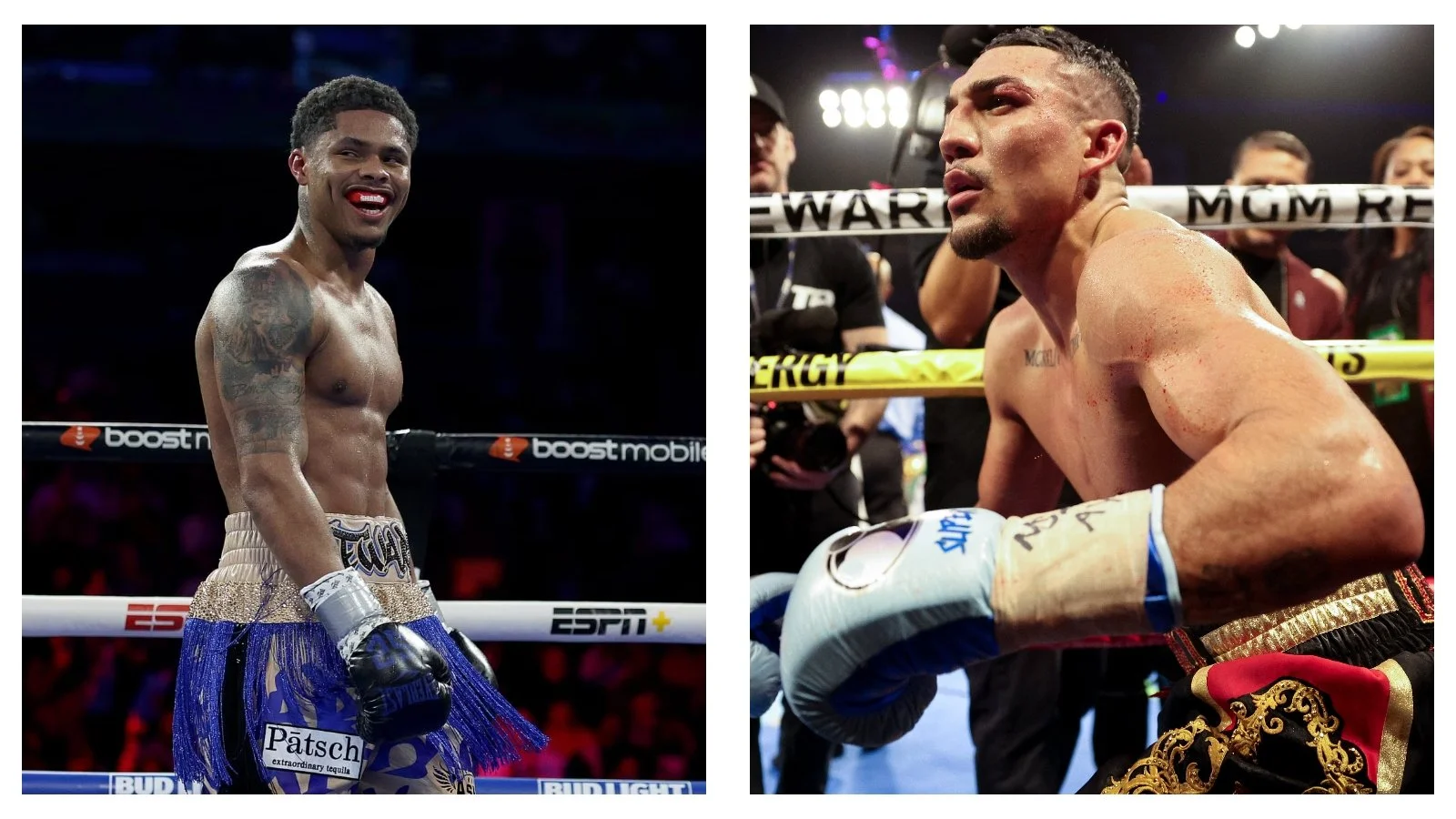
YOU MAY ALSO LIKE: Teofimo Lopez vs Shakur Stevenson: Fight preview, breakdown and prediction
A billion-dollar deal
Having now lost his belt, the UFC is quietly building him back up to title contention, a route that Paddy will no doubt follow.
But with the UFC now moving to Paramount+, are they really incentivised at all to build up these fighters the same way they once were?
The new streaming deal will guarantee the UFC over one billion in revenue a year. That’s not based on numbers, success, or growth. That’s a flat rate.
With money like that assured, they can easily pump out cards filled with cheap, no-name Contender Series fighters and face little pushback. And without major competition, why wouldn’t they?
A bleak future for MMA
As pessimistic as this may seem, it’s a real possibility that this is the future of MMA.
The UFC has survived every changing of the guard it has faced, often by sheer momentum alone. But momentum has a habit of masking problems until it’s too late.
As fighters like Gaethje continue to hold the line, they’re delaying an uncomfortable reckoning rather than preventing it.
When the old names are finally gone, the UFC may discover it didn’t mismanage the next generation. It just never bothered to make one. And by then, it may be too late to start.