The Uncanny Valley of Live Dealer Studios: Real Humans in Fake Environments
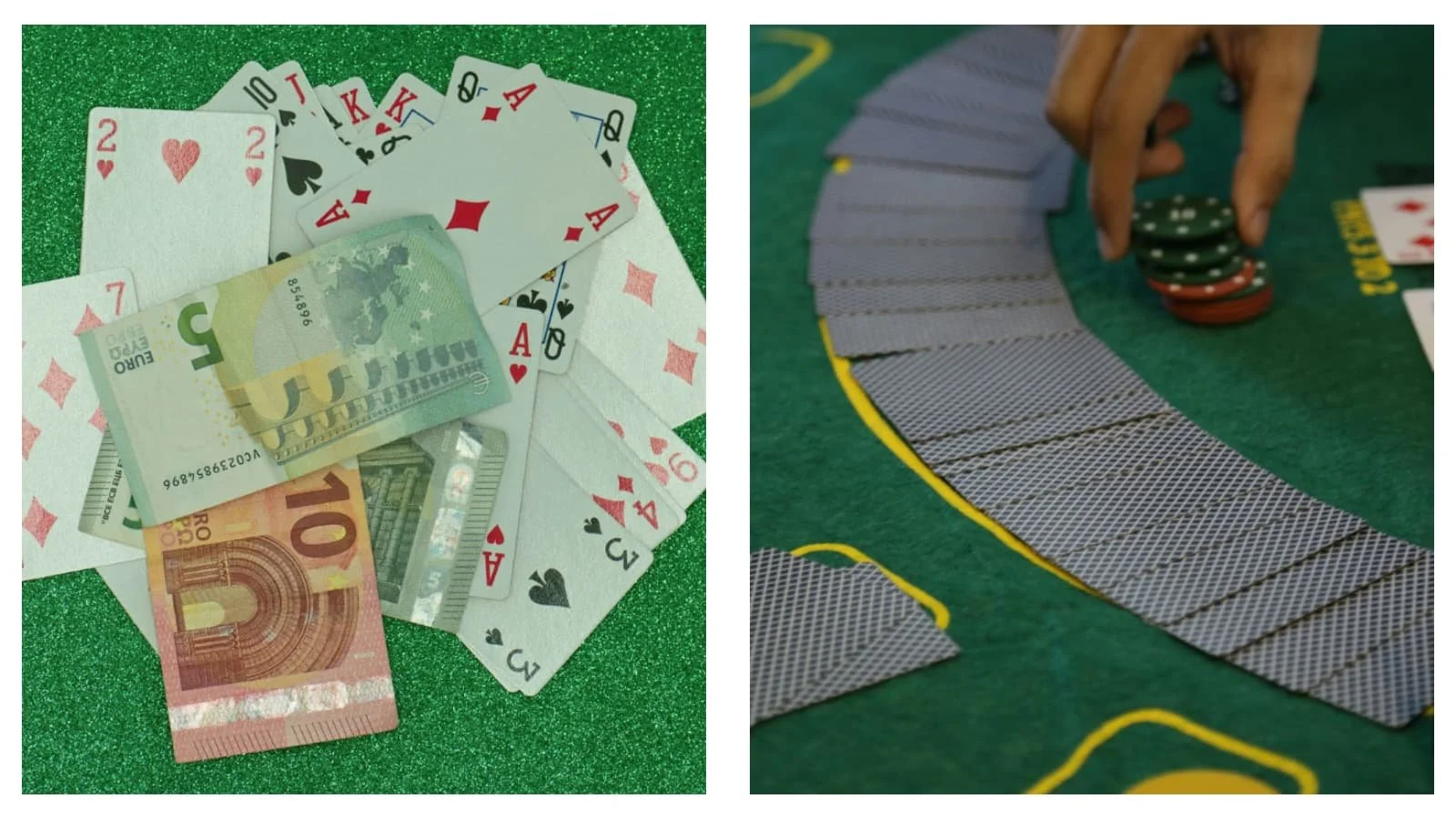
The dealer is real. The cards are real. The chips clicking across the felt are real. But the mahogany-paneled room behind the dealer? That's a set.
The ambient casino chatter leaking through the speakers? A sound design loop.
The warm lighting that suggests a high-end European gaming floor? Studio rigs calibrated to camera specifications, not human comfort.
Live dealer gaming is, at its core, a broadcast production — real people performing genuine tasks inside environments that are entirely manufactured to look like something they're not.
This contradiction sits at the center of the fastest-growing segment in online gambling. Players want the human element — the visible shuffle, the physical spin, the eye contact through the camera — but they also want it wrapped in an atmosphere that feels like Monte Carlo, not a warehouse in Riga.
The result is something that approaches the uncanny valley: close enough to reality to be compelling, artificial enough to occasionally feel off.
How the Studios Actually Work
Live dealer studios operate like television production facilities.
Evolution, the dominant provider, runs dedicated studios across Latvia, Malta, Georgia, Romania, and several other locations — purpose-built spaces designed to look like casino interiors while functioning as broadcast centers.
Each table has multiple cameras covering different angles, controlled either manually or increasingly by AI systems that track dealer movement and adjust framing automatically.
The studio environment is a deliberate fiction.
Walls are dressed with props — bookshelves, artwork, ambient lighting panels — that suggest a physical casino but exist solely for the camera.
Behind the set walls sit server rooms, control stations, and technical crews managing the stream.
Some operators broadcast from actual casino floors, adding genuine ambient noise and foot traffic, but the majority of live dealer content comes from these constructed environments.
What makes it work is the human element in the foreground.
The dealer's reactions, conversation, and physical handling of the game are authentic.
The environment around them is fabricated, but the gameplay itself is genuine — verified by Optical Character Recognition technology that reads card values in real time and cross-references them against the digital interface the player sees.
Browsing the live casino collection at https://mr.bet/at/casino/collection/live shows the range of studio environments available across a single platform — from classic European roulette settings to game-show-style studios with LED walls and theatrical lighting, each designed to create a specific atmospheric effect.
YOU MAY ALSO LIKE: Premier League betting tips: Man City to beat Chelsea, Sunderland to topple Tottenham

Why the Illusion Holds
The uncanny valley concept — originally applied to robotics and CGI — describes the discomfort people feel when something looks almost human but not quite.
Live dealer studios avoid this trap by inverting the formula: the humans are real, and it's the environment that's fake.
Players can tolerate an artificial backdrop far more easily than they can tolerate an artificial person.
Element; Real or fabricated; Why it matters
Dealer
Real person, professionally trained
Creates trust, social connection, and emotional engagement
Cards and equipment
Physical objects handled in real time
Verifiable through OCR; eliminates RNG suspicion
Studio environment
Purpose-built set designed to resemble a casino
Establishes an atmosphere without requiring a physical casino venue
Ambient sound
Designed an audio loop or silence
Reinforces the environmental illusion; varies by studio
Camera work
Multi-angle professional broadcast setup
Creates a cinematic feel that exceeds what a real casino visit offers
Chat interaction
Real-time text between player and dealer
Bridges the physical gap; dealers respond verbally on camera
The irony is that the production quality of live dealer studios now exceeds what most players would experience in a real casino.
Multi-camera angles, close-up shots of the deal, and instant replay of the wheel spin create a viewing experience closer to watching a televised poker tournament than sitting at an actual table. The artificiality of the environment becomes its advantage.
The AI Frontier and What's Coming Next
The next evolution is already underway.
In March 2026, QTech Games launched AI Roulette with Amanda — the industry's first interactive AI live dealer, developed with Sentient Gaming Group.
The AI croupier engages players in conversation, adapts to interaction patterns, and delivers a classic roulette experience without a human dealer present.
Meanwhile, platforms continue expanding their studio-produced content — new titles and formats appearing regularly, as seen in the latest additions at https://mr.bet/at/casino/new, where live game show formats and immersive variations push the studio-set concept further.
For players navigating this landscape, the practical question isn't whether the environment is real — it isn't, and everybody knows it.
The question is whether the platform delivers a schnelle und zugleich sichere experience: fast deposits, verified gameplay, and transparent terms.
The studio set is a theater. The transaction underneath it shouldn't be.
What the Fakery Reveals
Live dealer studios are a case study in what consumers actually value. Players don't need the environment to be real — they need the dealer, the cards, and the outcome to be real.
The manufactured backdrop is accepted, even welcomed, because it delivers something a physical casino can't: consistent atmosphere, zero travel, and production values that make every session feel curated.
The uncanny valley, it turns out, is only uncomfortable when the fake part is the human.
When it's the room, nobody minds.
READ NEXT: FA Cup title or Premier League survival? What would Leeds Utd fans prefer?