Football news: How social media fuels reactionary fan culture within the beautiful game
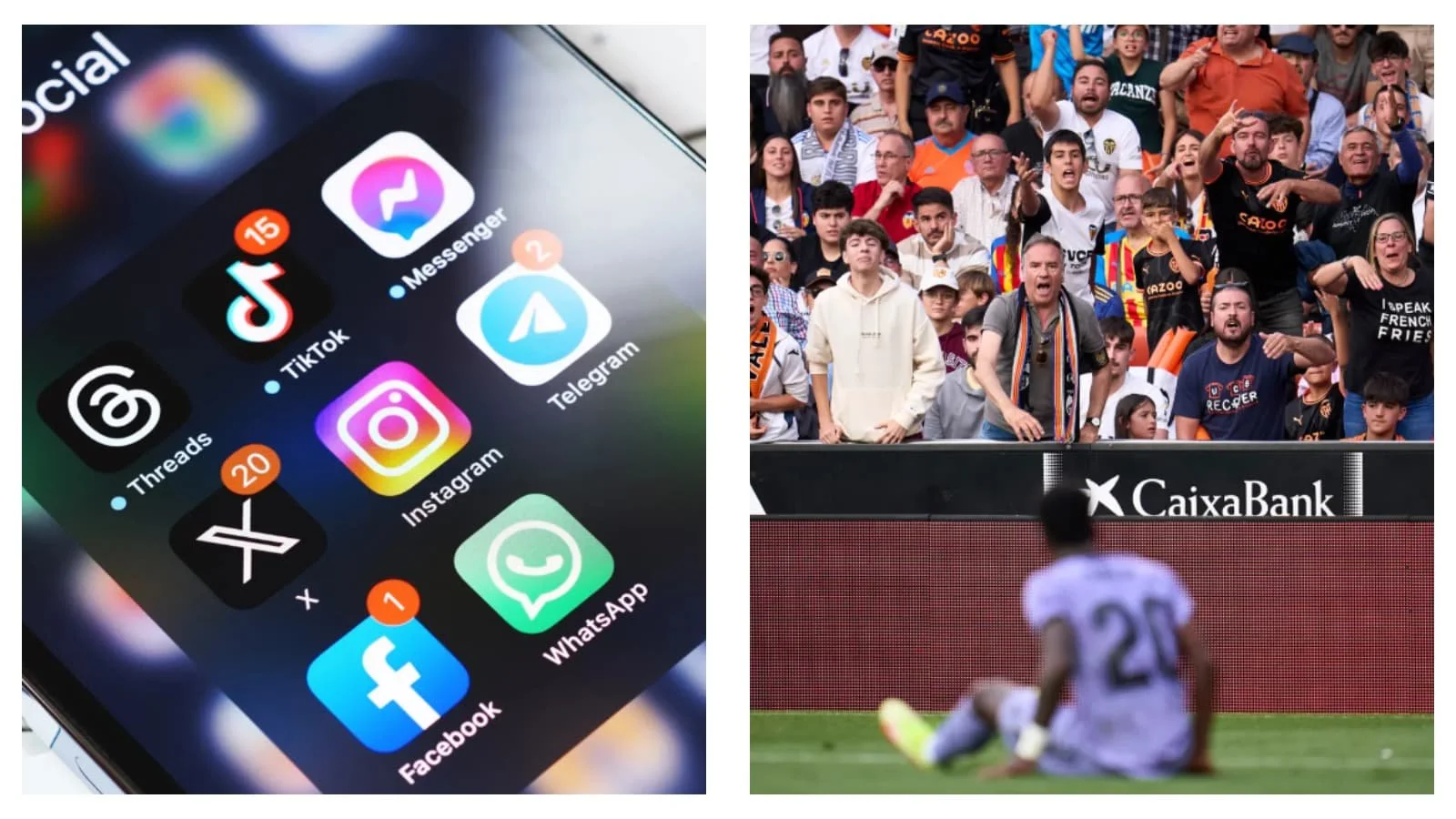
Social media allows people to communicate more quickly, enabling football fans to share reactions, commentary, and controversial opinions instantaneously.
But does it have an overall positive influence on football? Here, Sports News Blitz writer Uchenna Haq explores the various effects of social media on the sport’s fandom.
‘Manager out’ culture
In recent years, a decrease in patience and an increase in emotional posting on social media has changed football culture to a point where managers are in constant jeopardy of being ‘sacked in the morning’, as some chants put it.
Managers are now on a tightrope after only minor dips in form.
Ruben Selles, for example, came under threat after four consecutive defeats kickstarted Sheffield United’s campaign this season.
Watford fans similarly pressed for Paulo Pezzolano’s exit at the start of the season after the team achieved just one win in seven.
This reactionary state has seen seven of the 20 teams in the Premier League feature at least one managerial replacement this season.
Such a culture breeds a lack of trust, skews the confidence of managers and players, and treats sports like fast fashion.
It also shows that your name and reputation are irrelevant, with Ruben Amorim, Mikel Arteta, Arne Slot, Ange Postecoglou, and Liam Rosenior amongst the names that have come under scrutiny in recent seasons.
If you can’t maintain form, your name is purely an identifier and your reputation just a sign of the past – indeed, you may be out in the morning.
The statistics crisis
With the ability to summarise a full 90-minute game into a compilation of cropped clips, fans have elevated themselves as the new analysts, ranking players purely on statistics.
The concepts of expected goals (xG) and stat tables have faded the previous focus on players’ styles and input to the team as part of a bigger picture, with attention instead shifting to who has the most goals or the most successful dribbles.
A missed shot is no longer a failed attempt, but an endlessly replayed clip on TikTok knocking your stats.
Irresponsible comparisons are also being made as a result – comparisons between mismatched players or between eras when football looked completely different.
This puts pressure on players, especially the younger ones, to aim for the top of stats columns rather than enjoy football.
In the end, the football that fans complain is too ‘vanilla’ is actually their own creation.
READ MORE: Women are driving a new era of sports growth as female viewership numbers continue to increase
Nature of social media
Social media means information is instant and posted from any corner of the planet.
The traditional interview is collapsing as people can use their own platforms to present their opinions.
With an instant click-and-send structure, posts are emotional and reactionary, offering hot takes rather than the critical analysis which moves football forward.
And algorithms always prefer the drama – it stirs up reactions and interactions that not only boost numbers, but also consolidate a new culture within football driven by sensationalism.
Since football opinions are being increasingly defined through clips and narratives framed on social media, a full viewpoint is becoming hard to find.
YOU MAY ALSO LIKE: Soccer analysis: The Americanisation of European football
Racism within English leagues
The Athletic, a sports journalism department within The New York Times, has found that the level of racist abuse over the 2025/26 season is a notable increase from previous seasons.
BBC Sports and data company Signify likewise conducted an investigation back in November, finding over 2,000 posts amounting to racist abuse and hate within a single match weekend across the Premier League and Women’s Super League.
There have been numerous high-profile instances across social media, involving players like Romaine Mundle (Sunderland), Brian Brobbey (Sunderland) and Tolu Arokodare (Wolves).
Social media makes racist abuse easy as people have the ability to hide behind screens and keyboards, voicing opinions that would not stand in the real world but go unpunished online.
In this, consistently low conviction rates remain a disappointment.
READ NEXT: Soccer analysis: Is the cost of watching the beautiful game becoming too expensive for fans?
Is social media good for football?
Social media has admittedly provided wondrous opportunities for football.
It contributes to the atmosphere leading up to matches and allows deeper insight into players’ lives.
Fans no longer have to stay awake on Saturday night or record Match of the Day episodes to watch replays as they’re available online within an hour of the game finishing.
The benefits really are endless – but it’s not going in that direction.
Hate, judgement, and thoughtless posts dominate the scene, with stories of abuse ranking above those of love and appreciation for the sport.
Yet, while social media is not serving its best purpose for football, it’s crucial to understand that we, the fans who make up this beautiful sport, are not performing our duties either.
Holding power to account is not asking for your manager to be sacked or abusing your players, rivalry is not mocking tragedies of clubs you dislike, and analysis is not comparing stats to reality while deciding a player is rubbish because they’re not better than Lionel Messi.
It’s time we nurtured a better atmosphere for the good of the players, the fans, and the sport we all love.
YOU MAY BE INTERESTED IN: Football analysis: Is specialisation in football refereeing a good idea?