Soccer analysis: Is the cost of watching the beautiful game becoming too expensive for fans?
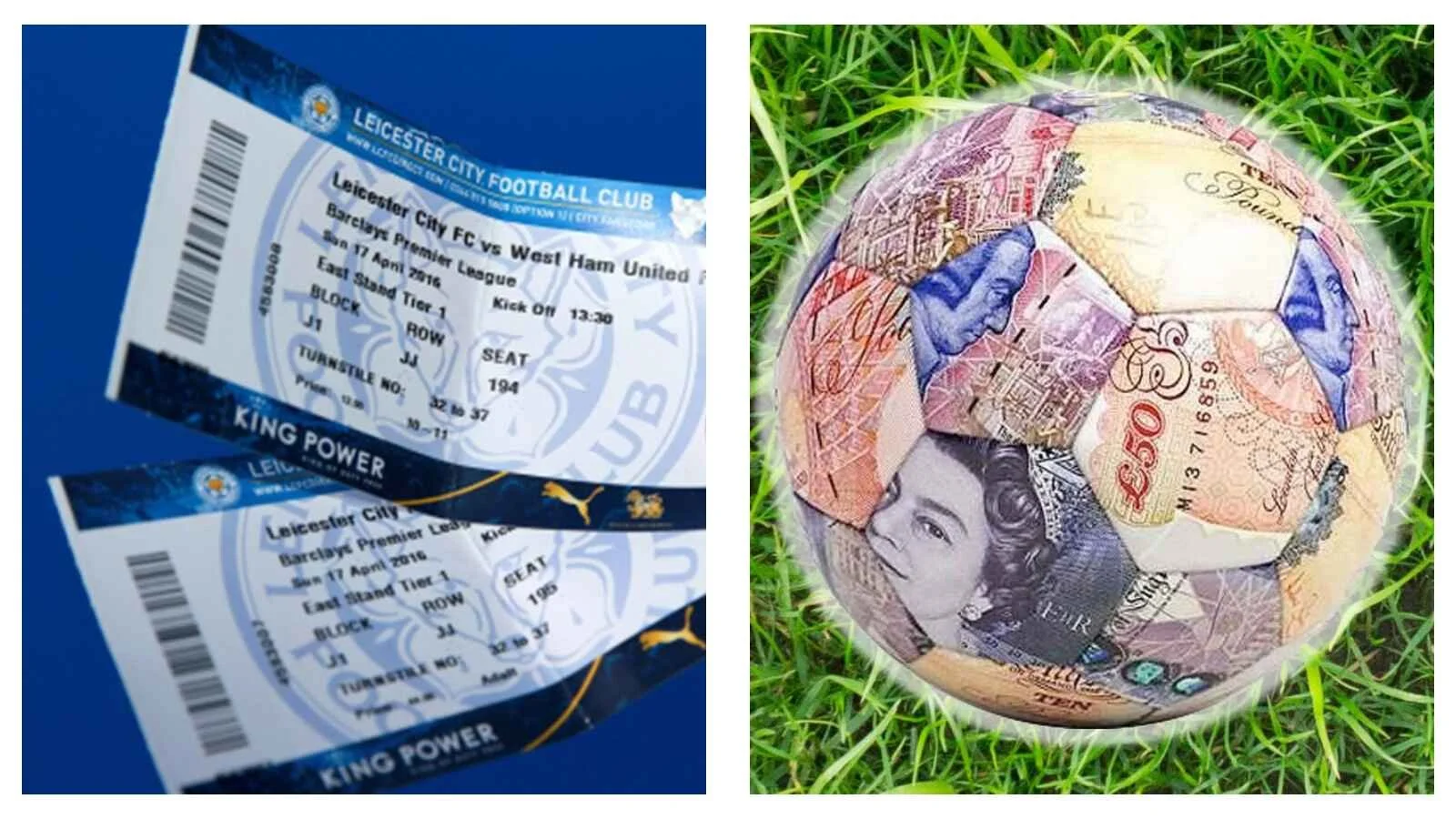
The cost of watching football, whether in the stadium or at home, is becoming too expensive. Is it affordable for the average UK resident?
Sports News Blitz’s Uchenna Haq shares his thoughts…
The average disposable income of an urban resident in the UK is £575 per month according to the Office for National Statistics.
Disposable income can be defined as spending available after taxes and essential bills.
For football fans, part of that income absolutely has to go towards the sport they love, if not pitchside, then on services allowing them to watch football.
The rising cost of attending matches
For Man United fans, the price of a season ticket has jumped from the low £500s just a decade ago. Now the cheapest home season ticket sits at £646.
Similarly for Arsenal fans, a club that froze prices in the 2016/17 season, adult fans next season will be paying just shy of £1,000 for a home season ticket.
Large clubs are no longer affordable for large portions of the general public that prop them up.
In the same 2016/17 season where Arsenal froze their ticket prices, Liverpool looked to boost some of theirs to £77 per ticket.
In response, fans staged a walkout in their home fixture against Sunderland during the 77th minute.
Liverpool currently face similar protests at the planned 3% increase of ticket costs going into next season.
Fan groups are protesting in the streets as well as suggesting people take their money to nearby businesses rather inside the ground for matchday extras.
If protests are occurring due to ticket prices, there must be a disjointed opinion between owners and fans on the affordability of attending matches.
The rising cost of streaming services
A major flaw in football that needs revisiting is the cost of streaming services. Over the past decade, football streaming services have become increasingly fragmented.
What used to be Sky Sports, BT Sports and BBC/ITV, has now been divided between: Sky Sports, BBC/ITV, TNT Sports, Paramount (streaming Champions League matches from next season) and Amazon Prime.
Simply too much to keep up with.
What used to be three streams of outgoings totalling approximately £800 per year, has now sprouted to at least five different services totalling close to £1100 per year.
For residents with the average disposable income, an extra £25 per month needs to be forked out to watch the sport they love.
Even with increased costs, coverage is still not equally increased.
Despite ongoing discussion, the three o’clock blackout persists, meaning football for fans behind the screen on a Saturday doesn’t kick off until the evening.
Additionally, this season saw the initiation of TNT Sports’ coverage of the FA Cup, replacing the dominant BBC/ITV era.
The removal of core British broadcasting companies from the quintessential British cup competition is a sporting injustice - the cup that truly united every corner of the nation is sat behind a growing paywall.
YOU MAY ALSO LIKE: Serie A news: Giovanni Stroppa, the mastermind behind Venezia’s return to the Italian top flight

The extras behind the match
For loyal supporters to club and country, the cost of a match stretches far beyond a ticket.
Transport, food, drink, and most importantly having the badge on a shirt of the team you represent all cost money.
With the World Cup coming up next month, England fans looking for an authentic shirt to display their pride will also have to display £134.99 at the checkout, slightly more than an entire authentic kit looking back at the 2016 Euros Kit.
The percentage increase is roughly the same between kit prices and wages over the past decade, but for low-income families, authentic or even replica kits do not fall in a price range that even strenuous savings could prepare for.
For fans looking to attend away matches, the hikes in public transport costs seen in recent years makes it increasingly difficult.
With more remote teams like Newcastle or Bournemouth, fans meticulously plan away days like holidays rather than see a match and decide to attend.
Hours of trains and buses must be scheduled far ahead to perfection so tickets are £40, not £140.
And to complement the tiresome travel, if fans seek to find food and drink within the ground, a simple pie and pint could set them back around a tenner.
Families seeking to appease hungry kids could suddenly find themselves spending £40 - not a pretty sight for a few pies in tins and a couple of coke cans.
So is football affordable?
Football today is not affordable. The working-class base that brought football to what we know it as today cannot access the sport they revitalised.
Sport is classified as a basic right, but we are monetising it towards the status of a luxury, and it’s not the way to move forward.
READ NEXT: Premier League news: Five takeaways from Newcastle Utd’s draw with Nottingham Forest