Ferrari’s planning missteps threaten Lewis Hamilton’s 2026 F1 start
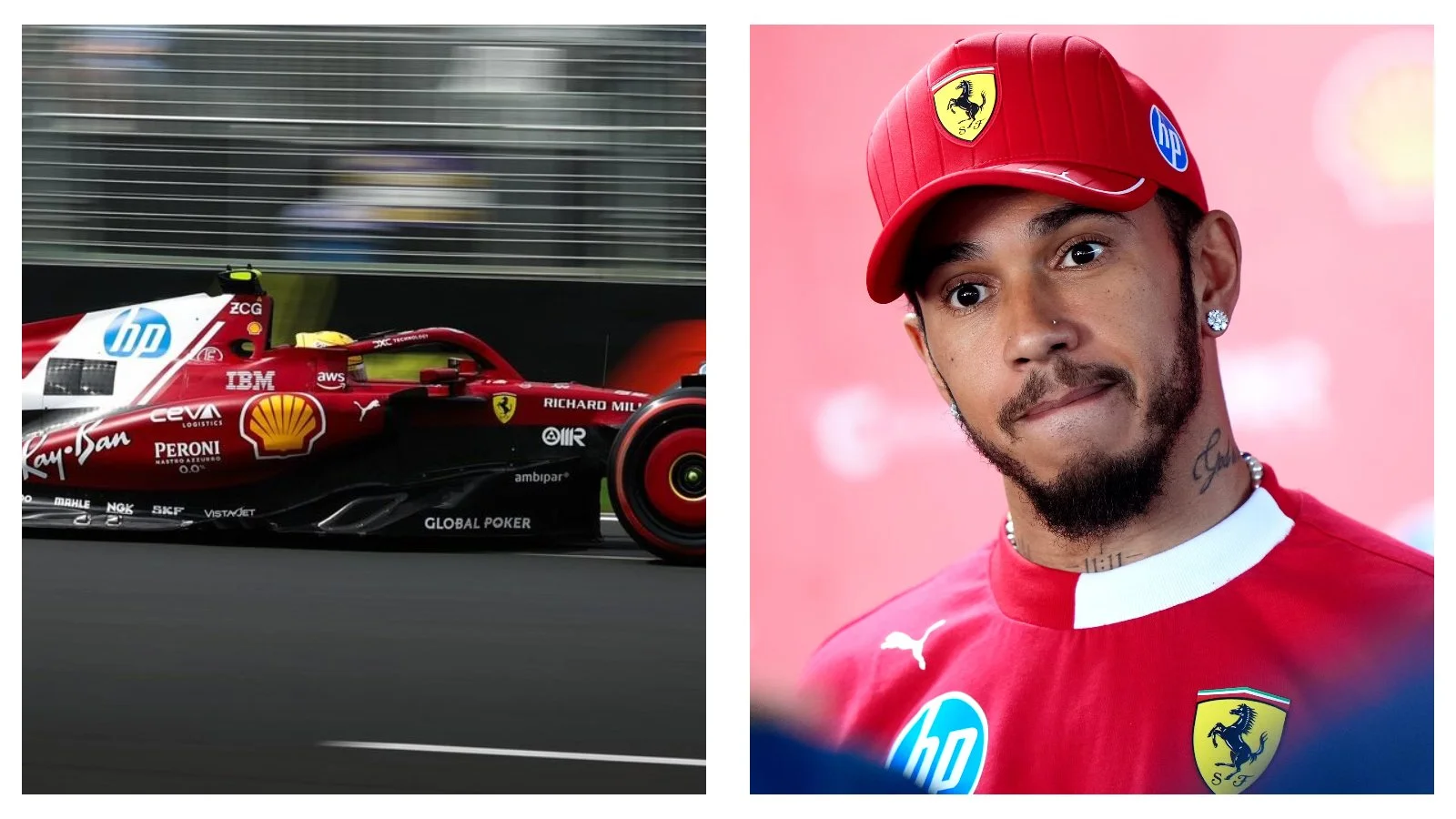
In modern Formula 1, identifying a problem is rarely the challenge. Finding a solution is where teams often stumble.
Ferrari seem to be caught in precisely this trap with Lewis Hamilton as the 2026 season approaches.
Sports News Blitz’s Noah Ngcobo explores the risk Ferrari run by delaying decisive action, and how poor planning around Hamilton could compromise his start to the 2026 Formula 1 season.
Engineering mismatch exposed
It was only last week, just before the debut of Ferrari’s new car, that the team publicly admitted what had been apparent for months.
Hamilton and his race engineer, Riccardo Adami, simply did not work well together. Their partnership in 2025 failed almost immediately and was never likely to recover.
The obvious move would have been to make a change as soon as the problem became clear, possibly during the summer break.
Other teams facing similar challenges would have acted quickly. Ferrari themselves have a history of stepping in decisively, such as when Rob Smedley was brought in to assist Felipe Massa in 2006.
By waiting, Ferrari avoided short-term risk but allowed a small issue to become a larger one.
READ MORE: F1 analysis: How Ferrari fell short in the 2025 Formula 1 season
Interim solutions create new complications
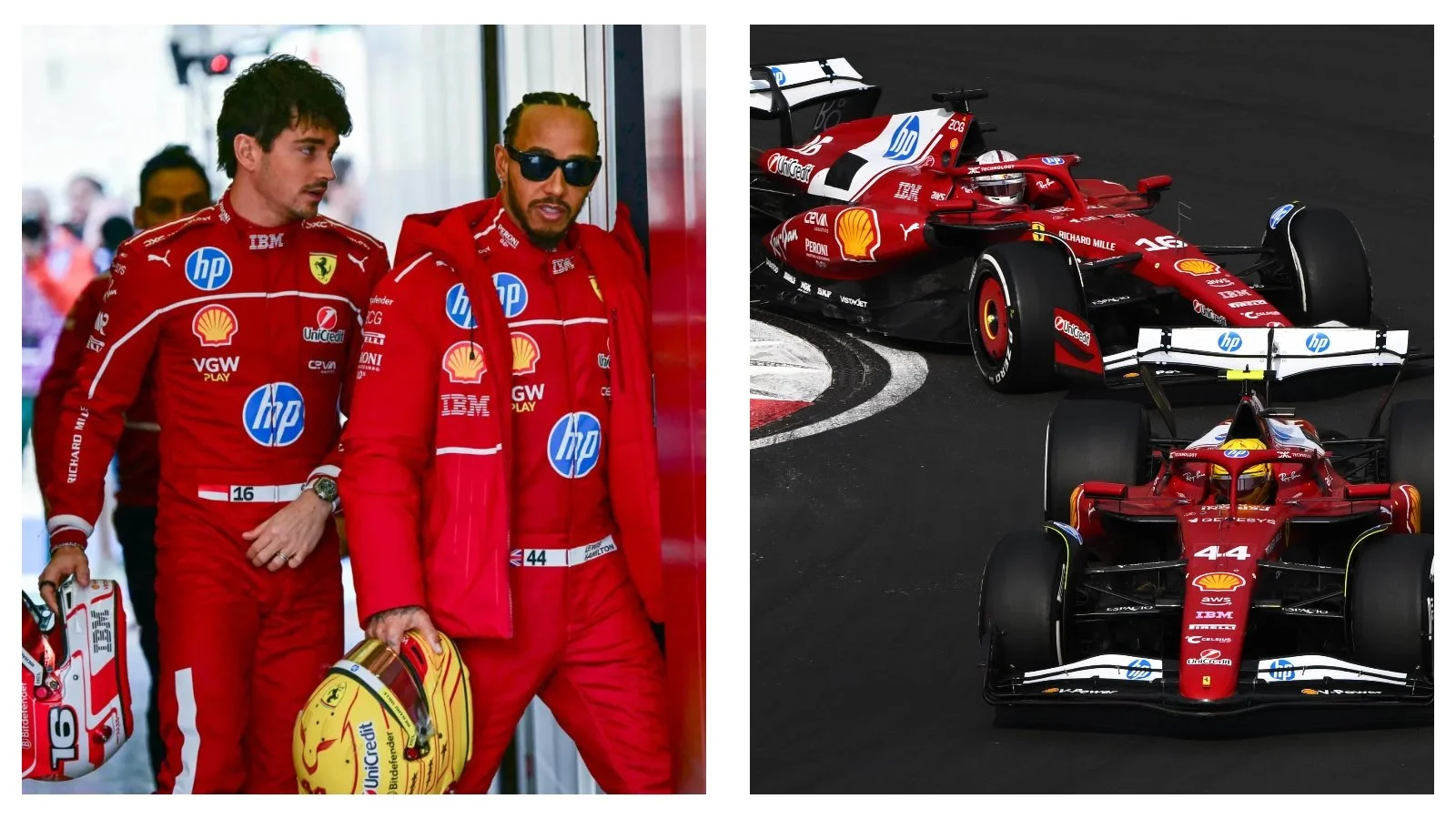
Adami’s reassignment resolves one immediate issue, but it leaves another pressing question: who will take over as Hamilton’s race engineer for 2026?
Without a decision in sight, reports from Italy suggest that Charles Leclerc’s engineer, Bryan Bozzi, will temporarily support Hamilton during next week’s pre-season test in Barcelona.
If this turns out to be the plan, it is far from ideal. Even with testing limited to one car per session, the arrangement could disrupt Leclerc’s preparation.
Imagine Leclerc completing the morning session, only to hand the car to Hamilton while Bozzi remains responsible for both drivers.
The situation complicates debriefs and forces Bozzi to split focus between two drivers, leaving little room for rest or reflection.
Hamilton bears the brunt
The expanded pre-season testing schedule offers nine days across three sessions, a significant increase from last year.
This should have allowed Hamilton a smoother entry into the 2026 season.
Each lap he completes without a dedicated race engineer is a missed opportunity to build trust, iron out miscommunications, and avoid the mistakes that plagued his first year at Ferrari.
At 41, Hamilton may be approaching the final stage of his career.
Building a deep, intuitive partnership with a new engineer in a single season is a monumental task.
Relationships like the one he had with Peter Bonnington at Mercedes, where communication was seamless and instinctive, come only after years of shared experience and success.
MORE BY NOAH NGCOBO: NBA news: LeBron James’ 22-year All-Star streak ends

The cost of poor planning
While Ferrari may never have been able to replicate that unique bond, ensuring Hamilton has a full-time race engineer in place from the first test is a minimum expectation.
By delaying the decision, Ferrari risk undermining Hamilton’s preparation and setting the stage for another challenging season.
Hamilton faces a crucial year, and Ferrari’s hesitation may leave him at a disadvantage from the very start.
READ NEXT: Why motorsport is leading the way on sustainability and data, according to Karun Chandhok