World Cup 2026 analysis: Thomas Tuchel's selection gamble backfires as England stumble against Ghana
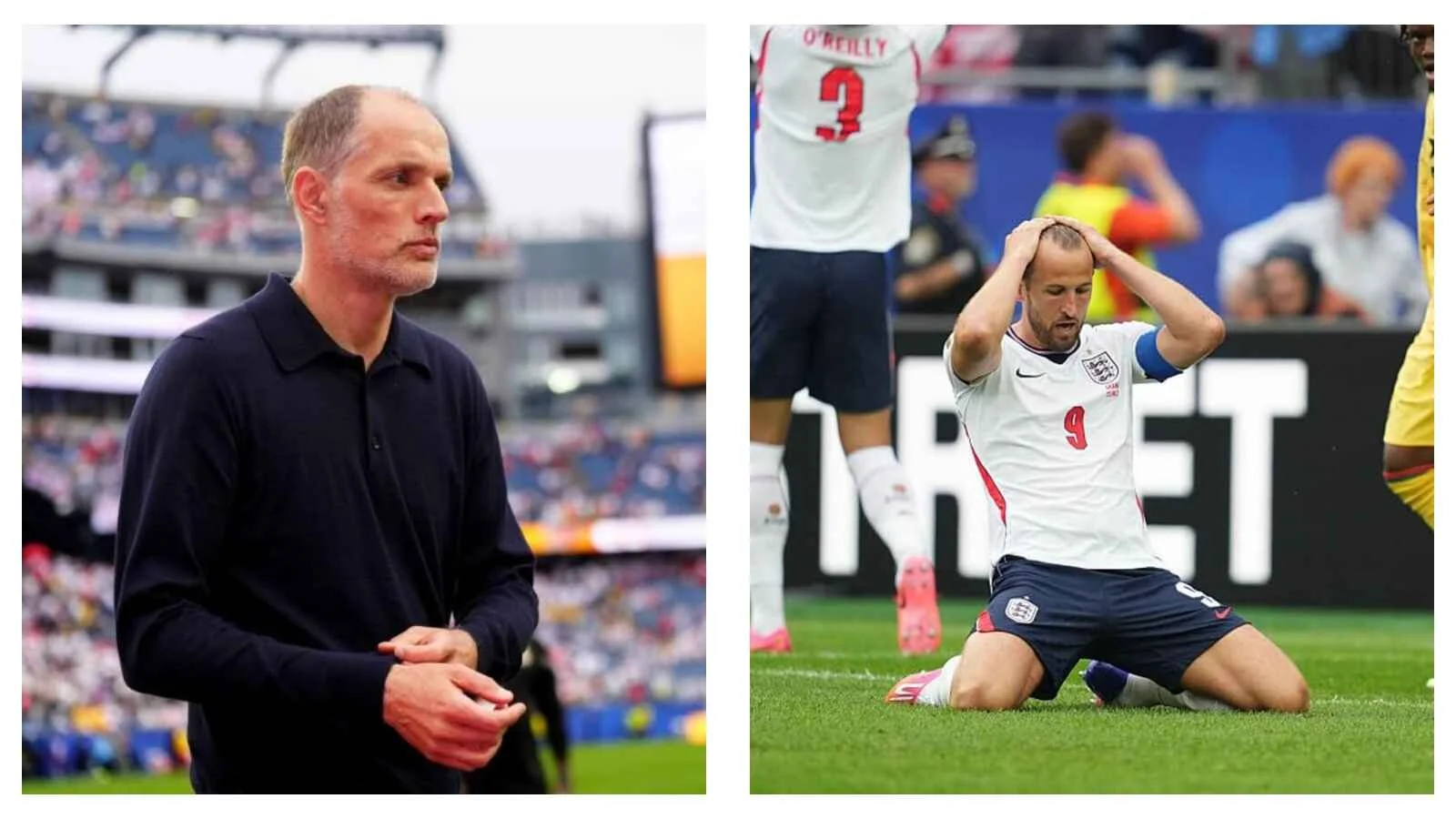
England were handed a reality check in their second World Cup match, labouring to a frustrating goalless draw against the world's 65th ranked team, Ghana.
Expectations were high following a statement victory over Croatia, where England displayed the attacking fluidity and creativity supporters have long craved at major tournaments. However, this performance against the Black Stars felt like a return to the familiar frustrations that have haunted England for years.
Sports News Blitz writer Johnny Jones examines England's frustrating draw with Ghana and the growing questions surrounding Thomas Tuchel's squad selections.

Nico O'Reilly omission raises eyebrows
Tuchel made two changes from the opening match, bringing Djed Spence and Marc Guehi into the starting line-up in place of Nico O'Reilly and John Stones.
The decision to replace O'Reilly at left-back was particularly puzzling. Spence was reportedly selected for the tournament because of his one-on-one defensive abilities, qualities that seemed unnecessary against a Ghana side expected to sit deep and defend.
O'Reilly has consistently offered more in possession and has proven to be a genuine aerial threat.
The Manchester City youngster was unfortunate not to break the deadlock when he rose highest to meet a Reece James cross, only to see his header crash against the crossbar before Harry Kane somehow blazed the rebound over.
O'Reilly is likely to regain his starting place against Panama after offering more attacking threat in his brief cameo than several members of England's starting front line managed all evening.
Marcus Rashford and Bukayo Saka should also be pushing for starts after impressive substitute appearances.
Anthony Gordon and Noni Madueke struggled to trouble the Ghanaian defence, repeatedly opting against taking on their markers and contributing to long spells of sterile possession.
Cole Palmer absence becomes harder to defend
England's blunt attacking display has inevitably reignited debate about some of Tuchel's squad omissions.
While Rashford and Saka added urgency when introduced, England still lacked a player capable of unlocking a packed defence.
That has placed Tuchel's controversial decision to leave Cole Palmer at home firmly under the spotlight.
There is an argument that England's attacking options lack variety. Too many of the available substitutes offer similar profiles, making tactical changes feel like like-for-like replacements rather than genuine solutions.
Tuchel appears determined to use traditional wingers with pace and direct dribbling ability, but such rigidity has made England predictable when chasing goals.
The inclusion of Eberechi Eze is also difficult to justify. He does not naturally fit the left-sided role Tuchel appears to favour, while Jude Bellingham and Morgan Rogers remain ahead of him in the race for the number 10 position.
As a result, Eze feels like a luxury pick rather than a practical one. Palmer, meanwhile, offers a proven track record of delivering decisive moments for England, most notably at Euro 2024 when he scored in the final and assisted Ollie Watkins' dramatic semi-final winner.
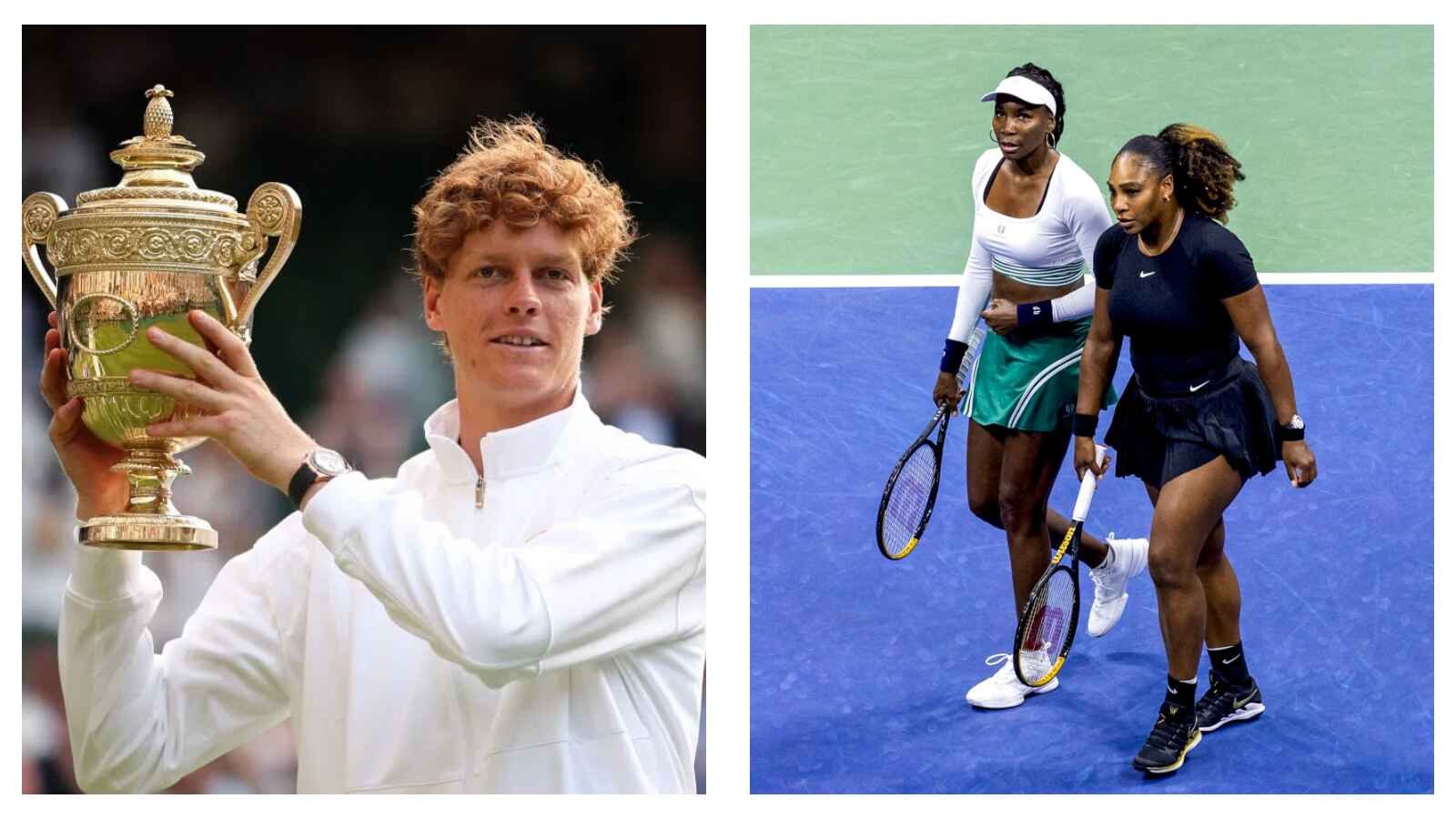
YOU MAY ALSO LIKE: Wimbledon 2026 preview: Jannik Sinner's title defence, Williams sisters' return and more
Creativity concerns threaten England's hopes
England also lacked the progressive passing of Trent Alexander-Arnold and Adam Wharton.
Reece James found himself with space to deliver from wide areas but rarely made it count, while the midfield partnership of Elliot Anderson and Declan Rice struggled to move the ball forward with purpose.
Too often, England relied on sideways passing and hopeful set pieces. Rice's delivery from dead-ball situations was below his usual standard, a concern given England's increasing dependence on set pieces when creativity from open play dries up.
As the tournament progresses, opposition teams will have little trouble identifying England's attacking patterns.
Unless Tuchel is prepared to be more flexible with both his selections and tactics, performances like this may become a worrying trend rather than a one-off disappointment.