Soccer analysis: Exploring why Chelsea have struggled against bottom 10 Premier League sides
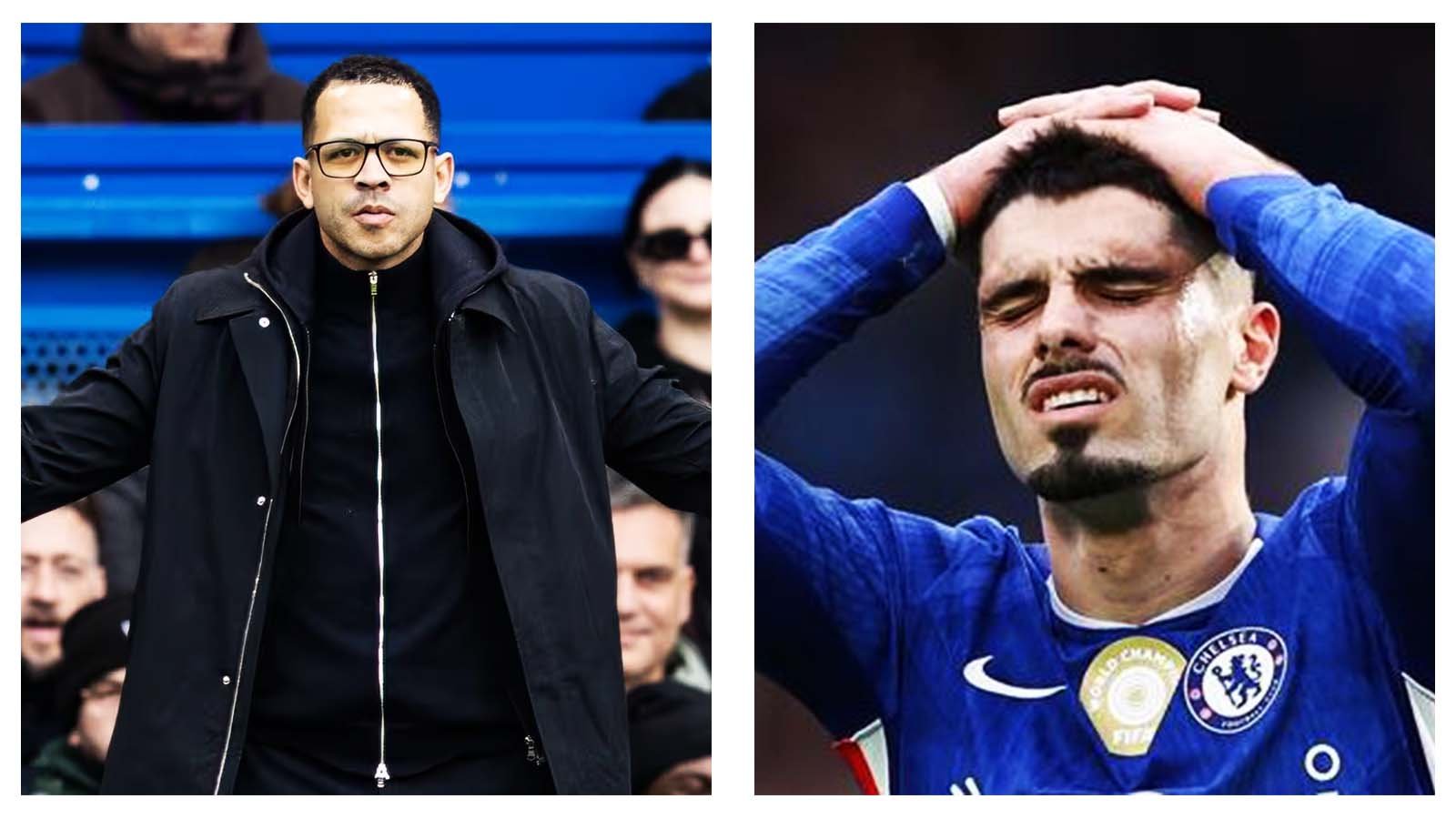
Chelsea’s 1-1 home draw to Burnley on Saturday, February 21 meant that the Blues have failed to beat any of the three newly promoted sides at home, and haven’t managed to beat Leeds United home or away this season.
These results could prove to be the difference in Liam Rosenior clinching Champions League qualification this season or not.
Here, Sports News Blitz writer Jacob Howson discusses Chelsea’s issues and how to fix them.
Statistics tell a story
Chelsea have taken 28 points from a possible 42 against teams in the bottom half of the Premier League so far this season, which includes the 3-1 home defeat to Brighton and 2-1 home loss against Sunderland, both games the hosts were ahead.
Winning positions have also been a slight curse for the West London outfit this season, as it is widely known they have dropped the second most points after going in front, with 19 points missed out on.
But 10 of those points have come against bottom half opponents.
If Chelsea were to see out those games better, they would currently be just one point behind Manchester City on 55 points and comfortably in the top four.
Manchester United, who are ahead of Chelsea by three points, have taken 32 points from a possible 45 against the same teams, which shows how important these dropped points could prove to be come May.
These problems are not unique to this season however, as last season the Blues failed to beat Ipswich home or away and picked up 44 points from a possible 60 against bottom half teams under Enzo Maresca, leading to a final day top-five battle.
READ MORE: Premier League news: Aston Villa and Leeds Utd share spoils in dramatic Villa Park draw
Chelsea’s playstyle and why it carries issues
It’s well documented that this new era of Chelsea under BlueCo’s ownership pride themselves on dominating possession, with intricate passing and a cautious build-up pattern.
But it might surprise some to see just how far the side have gone to achieve this style of football. Chelsea on paper look more like a Pep Guardiola copycat week-on-week.
Liam Rosenior’s side are second to Manchester CIty in most passes per sequence, sequence time, 10 or more pass sequences and are second-lowest in direct speed of attacks, showing that Chelsea tend to build up slowly and aren’t likely to rush their attacks.
This can cause problems in games against lower-league opposition as they often set up to defend in numbers and keep spaces tight, while trying to hurt on the counter.
The patient approach means that Chelsea are less likely to exploit space left by these teams when they do attack, and often allow teams to recover their shape, leaving the centre-backs unable to progress the ball forward.
The Blues have proven to be less clinical than others this season and despite creating the most xG this season with 52.30.
They have scored just 48 goals which is the fourth-worst record in the league, showing that they lack the ruthlessness needed to overpower some teams.
Compared to Manchester United, who have outperformed their expected goals by 1.27 this campaign, their different playstyle might encourage their players to take shots from less-likely areas instead of ‘walking it in’.
How can Chelsea fix these issues?
Clearly, Chelsea need to be putting these kinds of games to bed if they are to achieve back-to-back Champions League qualifications and challenge for the biggest trophies in the future.
Rosenior’s tactics are already showing a difference in ideology to his predecessor Maresca, as the ex-Strasbourg manager has utilised Andrey Santos’s exceptional passing in tight areas to create a box-like midfield alongside Moises Caicedo.
Maresca would prefer to deploy Caicedo as a lone defensive midfielder in build-up, while focusing on creating overloads out wide.
This helped the Blues in some games with more space, but against low blocks this caused issues where forwards or midfielders were easily able to mark the Ecuadorian and force the centre-backs to look out wide.
Midfield structure
With Rosenior’s box midfield, teams are less able to flood central areas due to the extra man in the pivot, and this means that Chelsea are able to pass quickly between Santos and the forwards, as seen in Joao Pedro’s opener against Leeds at home.
Enzo Fernandez’s role has also evolved under new management, oftentimes being used as a left-winger due to absence.
His presence offers Chelsea an extra number in midfield, dropping deep to create space for forwards, with great long passes to exploit areas in behind.
Defensively, Chelsea have suffered a lot this season at defending set-pieces and aerial duels, which has caused a lot of the problems which have stopped them from taking points off of lower-league teams.
Set-piece struggles
The Blues have conceded 12 goals from set-pieces this season, the sixth worst record in the league, with Liverpool the only top-half team who have conceded more in this area.
Chelsea’s 2-1 loss at home to Sunderland earlier this season is a prime example of these issues.
The first goal comes from a long throw where despite winning the first contact, Pedro Neto loses his marker at the edge of the box allowing a shot to come into the box which was flooded with opposition players and no one was able to clear the danger.
The Blues then conceded a late winner through Chemsdine Talbi after a hopeful long-ball which was somehow allowed to bounce and be shielded by Brian Brobbey, despite having two defenders back, showing the frailties defending long-balls and aerial duels.
Marking on set-plays seems to be a continuous issue despite a manager change, as after Burnley’s stoppage-time equaliser on Saturday, Rosenior highlighted that someone had failed to mark the goalscorer as they were instructed to.
Chelsea are now headed into a tough run of fixtures, predicted to be tougher than both Manchester United and Liverpool’s respective run-ins, and these matches could be looked back on with regret if they’re to settle for Europa League football next year.
READ NEXT: Serie A news: How repeated referee and VAR errors sparked a crisis in Italian football