Royal Ascot 2026 news: What are the most valuable races at Ascot Racecourse this week?
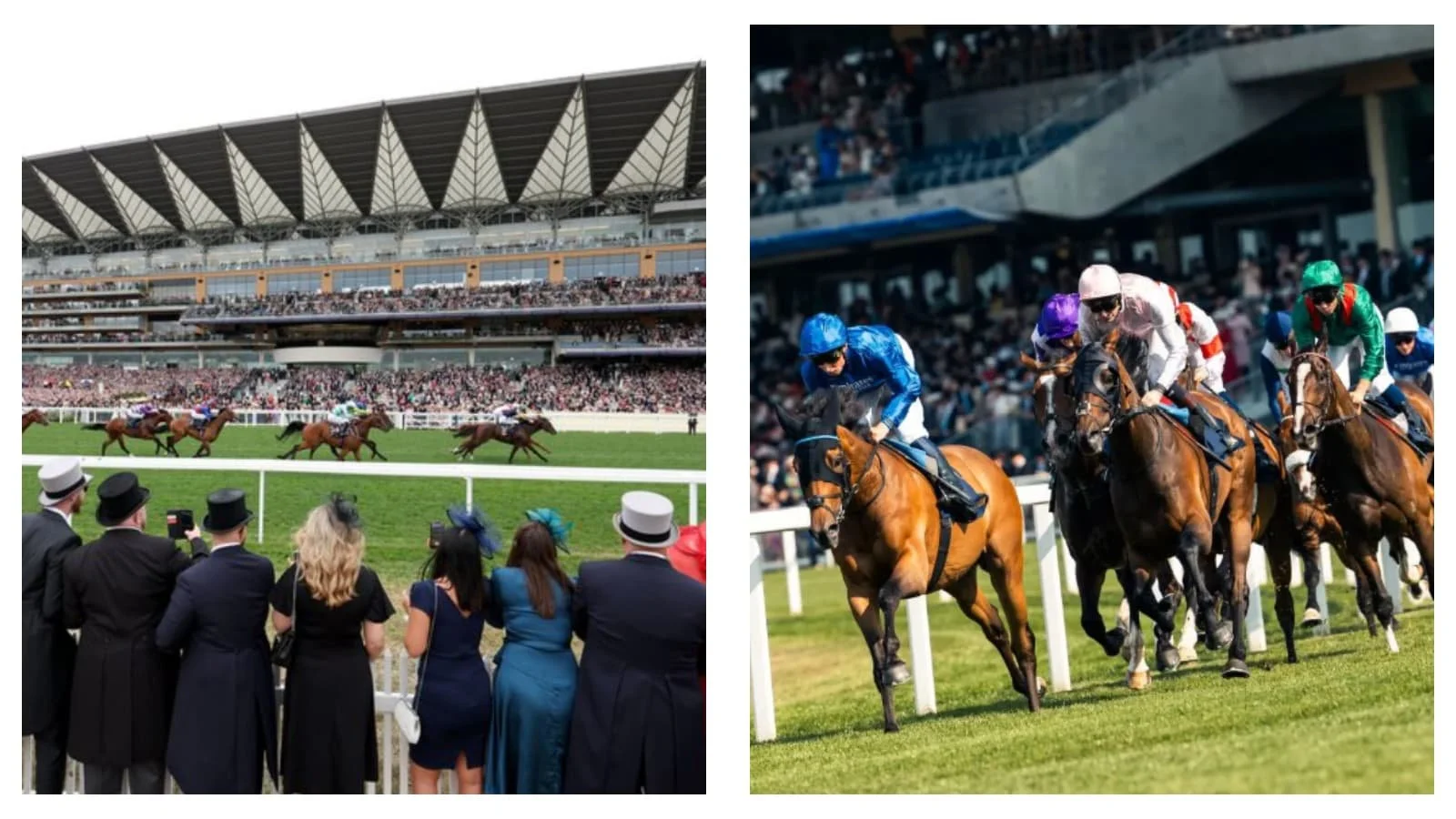
Royal Ascot is one of the most prestigious Flat-racing festivals on the British horse racing calendar.
Raced over five days, from Tuesday June 16 to Saturday June 20, this meeting stands out from the crowd as boasting the biggest prize purses in UK Flat racing.
It’s no surprise when you consider that the week contains eight Group 1 races and 22 Group or Listed races in total.
Royal Ascot is also a regal affair, attracting members of the British royal family every year.
The festival is broadcast worldwide in almost 200 nations and this year it has a record prize pot of £10.65 million.
Indeed, several of the Group 1 races at Royal Ascot are among the richest Flat races in horse racing.
Here, Sports News Blitz writer Scott Allen explores the most valuable races to look out for on your racecards.

Queen Elizabeth II Jubilee Stakes (£1m) – Saturday, June 20, 15:40 (BST)
The Queen Elizabeth II Jubilee Stakes is held on the Saturday afternoon of Royal Ascot, the final afternoon of the festival and the ideal way to bring the curtain down on the meeting.
This six-furlong sprint race is a Group 1 event open to thoroughbreds aged four and up, although three-year-olds from the Southern Hemisphere are also permitted.
There is a 3lb-weight allowance issued to fillies and mares entered into the race.
The race became so popular and exclusive that it was incorporated into the Global Sprint Challenge in 2005.
Lester Piggott is the most successful jockey in this race, winning 10 times between 1958 and 1993.
READ MORE: Royal Ascot 2026 guide: When is it, times, big races, trainers, jockeys and more

Prince of Wales’s Stakes (£1m) – Wednesday, June 17, 16:20 (BST)
The Prince of Wales’s Stakes is a much longer test, ran over 1 mile 1 furlong and 212 yards.
The race welcomes entries of horses aged four and above.
Fillies and mares get a much-needed weight allowance and so too do four-year-old thoroughbreds that make the trek to Royal Ascot from the Southern Hemisphere.
You’ll normally find this race pencilled in as the premier race on day two of Royal Ascot.
It’s also deservedly a Group 1 race and has been since 2000.
The 17th Earl of Derby and Godolphin are the joint most successful owners in this race, the latter winning six times between 1998 and 2026, with Ombudsman taking the crown last year.
YOU MAY ALSO LIKE: Royal Ascot 2026: Irish horses favourites to lift Gold Cup
Queen Anne Stakes (£800,000) – Tuesday, June 16, 14:30 (BST)
Dating back to 1840, the Queen Anne Stakes oozes heritage.
It’s a one-miler, so it’s aimed at Flat-racing thoroughbreds that can stay beyond the seven-furlong mark.
It’s often the opening race on day one, making it the curtain-raiser for the entire Royal Ascot Festival.
And like the Prince of Wales’s Stakes, this race is also a Group 1 and has been since 2003.
Godolphin and trainer Saeed bin Suroor have cleaned up in the Queen Anne Stakes over the years.
Godolphin has landed eight race wins between 1996 and 2017, and 2017 winner Ribchester was the only charge not trained by bin Suroor.
The unmistakable Frankie Dettori is a record seven-time winner as a jockey, with his last win coming on board Palace Pier in 2021.
The Harry Eustace–trained Docklands won the 2025 race under Australian jockey Mark Zahara, and returns to defend the crown in 2026.
Gold Cup (£700,000) – Thursday, June 18, 16:30 (BST)
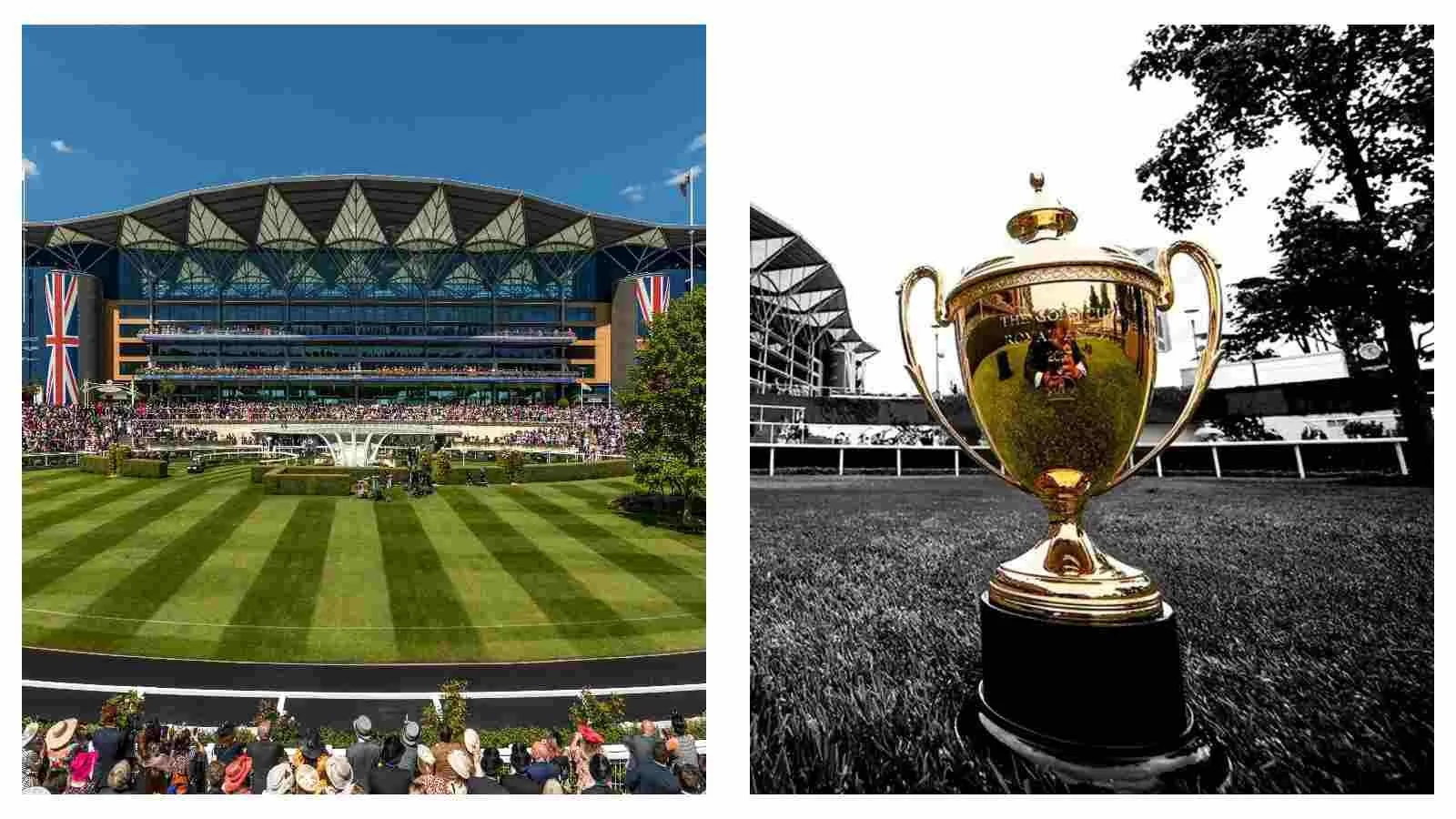
Like the Cheltenham Gold Cup at the Cheltenham Festival, the Ascot Gold Cup acts as the showpiece event of Royal Ascot.
Even though it doesn’t quite carry the same prize purse, it’s still the most prestigious.
That’s because of its rich history and the gruelling two miles, three furlongs and 210 yards race.
It’s a true test of Flat-racing stayers, and the stamina battle means it’s often best to look for each-way selections to hedge your risk.
The Gold Cup is also open to horses aged four and above.
3lb-weight allowances are reserved for mares and fillies, while 7lb weight allowances are offered for those venturing from the Southern Hemisphere.
The most iconic Ascot Gold Cup horse is Yeats, who won this race four years in succession between 2006 and 2009.
The John Magnier–owned superstar was trained by Aidan O’Brien, who holds the record for the most Ascot Gold Cup wins with nine.
Stradivarius and Sagaro also etched their names into the Royal Ascot record books by winning the Gold Cup three years in a row.
The Ascot Gold Cup is the first leg of the Stayers’ Triple Crown, which also includes the Goodwood Cup and Doncaster Cup.
The eyes of British horse racing will be transfixed on the Royal Ascot to see if the next Yeats or Stradivarius is born at the 2026 festival.
READ NEXT: Betting analysis: 10bet review - Markets, odds and best free bets