Premier League analysis: Managers with the clearest tactical ideas – Alonso, Maresca, Arteta and more

Every successful team has a recognisable way of playing, but only a handful of coaches enforce a tactical identity that remains consistent regardless of the opponent, writes Sports News Blitz’s Joseph Kan’gethe.
That consistency separates good teams from the ones capable of sustaining success across an entire season.
While results may fluctuate, the underlying principles rarely do.
The tactical approaches of Premier League managers discussed most often are built on clear ideas both in and out of possession.
A tactical identity shapes how a team builds attacks, presses, defends, and creates chances, giving players a system they can rely on in different match situations.
This analysis compares five different managers whose teams reflect those principles in different ways.

Football philosophy
Although their approaches differ, each of the managers in this article has established a football philosophy that is immediately recognisable on the pitch.
After all, a tactical identity is more than a preferred formation.
It is the set of principles that shapes every phase of a team’s performance, regardless of the opposition and the scoreline.
Those principles influence how a team builds from the back, organises its defensive structure, presses without the ball, and creates chances when they are in possession.
They also determine how a team adapts to different match situations without abandoning its core ideas.
Consistency is what separates a tactical identity from a collection of strategies.
Even though formation and the starting XI may change during a season, the underlying principles remain obvious.
Successful Premier League managers have built teams whose football reflects those ideas week in and week out, making the style instantly identifiable.
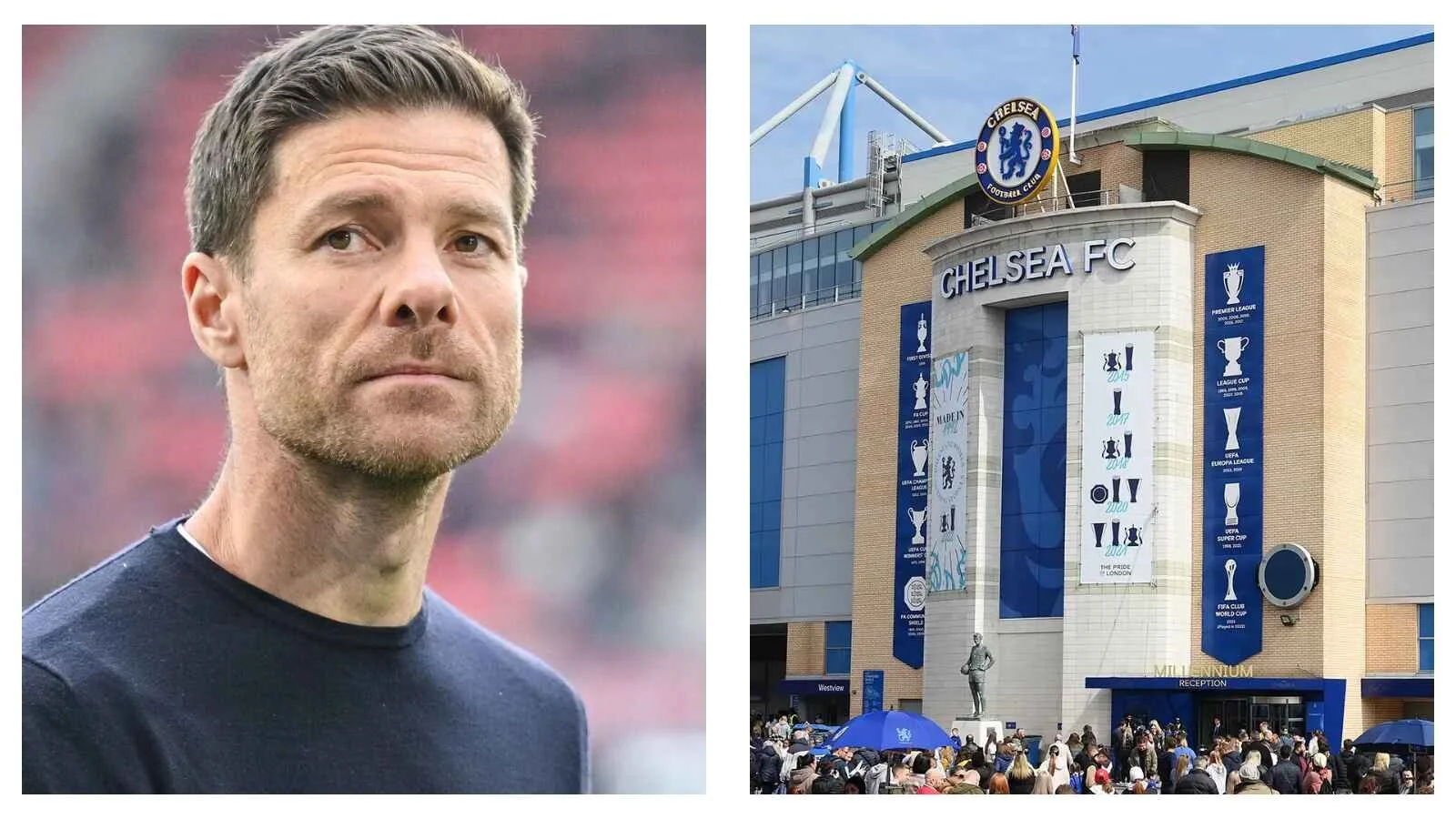
Xabi Alonso – Chelsea
Alonso’s teams combine organisation and flexibility, making them difficult to predict and even harder to control.
His preferred 3-4-2-1 formation provides the foundation but rarely stays fixed once they have possession of the ball.
Players regularly rotate positions to create passing angles and pull opponents out of shape, making it difficult to defend the same spaces for long.
The wing-backs are the key to that approach, stretching the pitch in attack before recovering quickly to support the defence when they lose possession.
Another defining feature of the Spaniard’s approach is an aggressive counter-press, with players reacting instantly after losing the ball by attempting to regain possession before the opposition can launch a counter-attack.
In possession, Alonso’s teams remain in position to protect against transitions, giving the opportunity to attack without being exposed defensively.
MORE FROM JOSEPH KAN’GETHE: Chelsea analysis: Five talking points ahead of Xabi Alonso’s first season in charge
Enzo Maresca – Manchester City
Maresca’s football is built on control, with every phase of possession designed to give his team an advantage before they attack.
His positional play places many players in specific areas of the pitch to create passing options and stretch the opposition, making it easier to progress the ball without forcing risky passes.
The goalkeeper is an active player in his system, often acting as an extra outfield player to help his side play through the press and keep possession under pressure.
Once the ball moves into the midfield, the Italian frequently creates a box shape by positioning four players close together, giving his teams a numerical advantage in central areas.
Instead of rushing attacks, his players remain patient, circulating possession until spaces begin to appear.
That patience helps his teams control the tempo of the game, keep hold of the ball, and wait for the right moments to attack.
Mikel Arteta – Arsenal
Arteta has transformed the Gunners into one of the Premier League’s most organised teams by building around structure and control.
His team values possession through intelligent positioning, ensuring there is always a passing option while maintaining balance across the pitch.
That organisation allows Arsenal to progress the ball without leaving themselves exposed when attacks break down.
Arteta’s aggressive counter-press sees his players respond instantly to losing the ball, working together to regain possession and often forcing mistakes before the opposition can build an attack.
Aside from creating chances from open play, Arsenal have turned set-pieces into one of their most reliable attacking options through well-drilled routines.
Constant rotational movement between midfielders, full-backs, and forwards makes them difficult to mark, while their disciplined defensive structure leaves opponents with little room to play through the middle.
Arteta’s ideas have produced a team capable of dictating the game both with and without the ball, with success built on collective organisation rather than moments of individual brilliance.
YOU MAY ALSO LIKE: Formula 1 2026 mid-season review: The biggest winners, losers and surprises so far

Oliver Glasner – Nottingham Forest
Glasner’s teams are at their best when the game becomes fast and open.
Rather than dominating possession for long periods, his approach is built on winning the ball and attacking before opponents have time to recover their shape.
His preferred back-three provides a solid defensive platform, while the wing-backs supply the width needed to turn defence into attack within a few passes.
The German’s vertical style encourages players to move the ball forward quickly instead of taking unnecessary touches.
Once they get hold of possession, the objective is to reach the opposition’s box as fast as possible, giving opponents little time to re-organise.
That attacking intent is supported by compact defending, with players staying close together to shut off the passing options and force mistakes.
By keeping the team organised without the ball, Glasner creates the platform for the fast transitions that have become one of the defining traits of his football.
Andoni Iraola – Liverpool
Iraola’s teams are built to make opponents uncomfortable from the opening whistle.
His football is driven by intensity, with every player expected to press aggressively and compete for every loose ball.
Instead of giving opponents time to settle in possession, his style looks to force rushed decisions high up the pitch and regain the ball as close to the goal as possible.
That aggressive approach is supported by man-oriented defending, with players staying tight to their direct opponents to limit passing options and disrupt attacking moves before they gather momentum.
Once they get hold of the ball, Iraola’s teams attack quickly, driving forward before the opposition can recover their defensive shape.
Winning second balls is equally important, allowing attacks to continue even when the first press or cross is partially cleared.
READ NEXT: UFC analysis: How South Africa’s Dricus du Plessis built an unstoppable legacy

Tactical identity
A clear tactical identity gives players confidence because everyone understands their role, but it also gives opponents a starting point when preparing for a match.
Coaching staff spend hours analysing videos to identify patterns they can disrupt, whether by blocking passing lanes, targeting specific players, or forcing teams away from their preferred approach.
That is why elite managers do more than repeat the same ideas every week.
They make subtle adjustments without abandoning the principles that define their football.
The strongest tactical identities are built on flexibility, allowing teams to respond to different opponents and match situations while remaining recognisable.
In modern football, adaptation is what separates a good tactical plan from one that delivers consistent success.
José Mourinho has often warned managers against copying blindly fashionable tactical trends.
His view is that successful managers adapt their ideas to the players available rather than forcing a system that doesn’t fit the squad.
Conclusion
Every manager in this comparison has built a recognisable way of playing, but none has arrived there by following the same tactical blueprint.
Xabi Alonso values structured flexibility, Enzo Maresca prioritises control through possession, Mikel Arteta combines organisation with relentless attention to detail, Oliver Glasner thrives on speed and directness, and Andoni Iraola embraces intensity from the first whistle to the last.
Their methods differ, but they all prove that success in modern football is built on more than talent alone.
A clear tactical identity gives teams direction, but the managers who sustain success are the ones capable of refining their ideas without losing the principles that make their football unique.
YOU MAY BE INTERESTED IN: Man City news: Semenyo praises Maresca methods as Wright-Phillips backs new boss