Padel news: ‘The Olympics needs padel more than padel needs the Olympics’, says Gail Emms
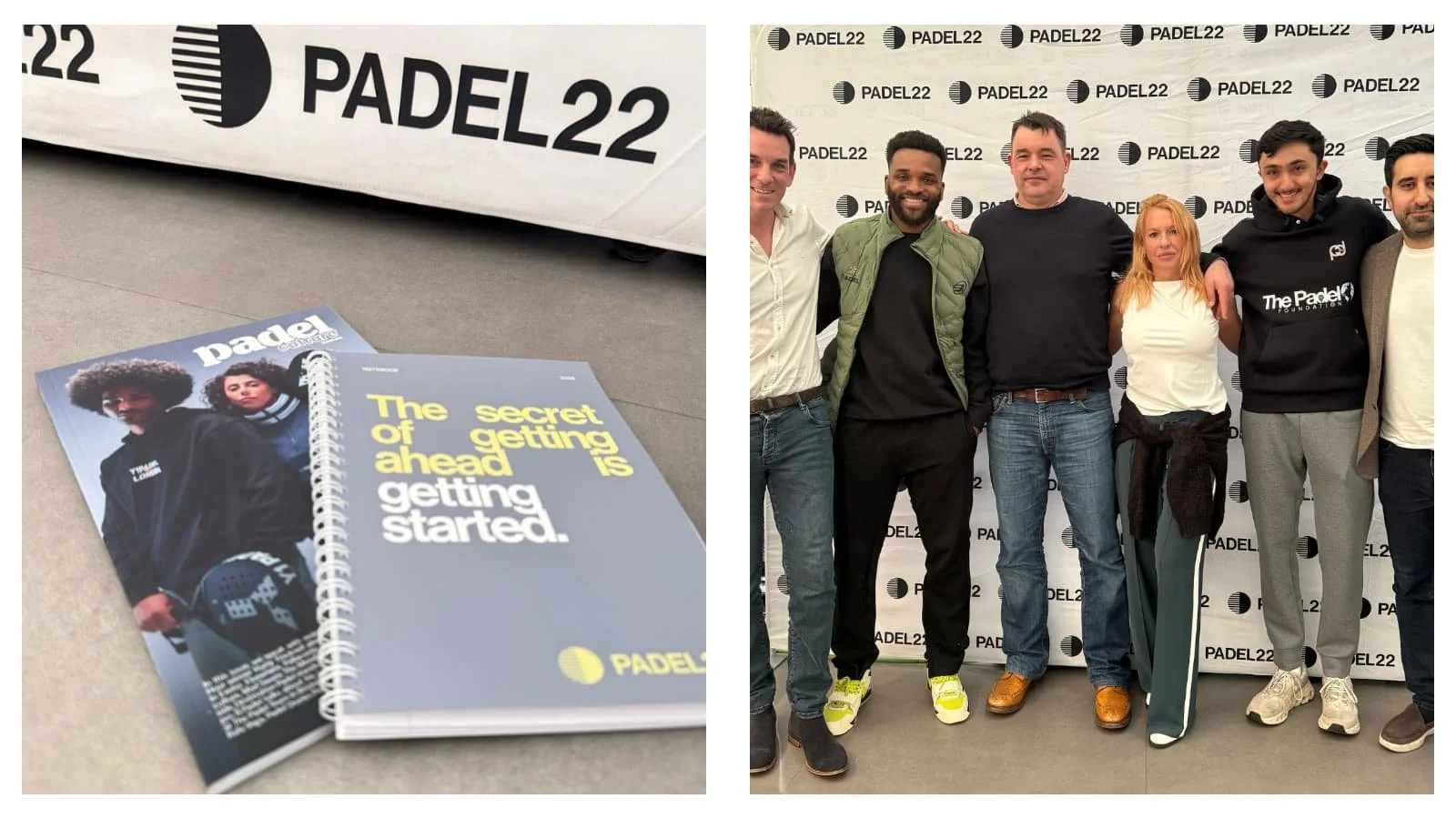
Padel’s rapid rise in the UK is being driven by participation, visibility, and social appeal, with leading figures from sport and industry highlighting both the scale of its growth and the work still required to support its long-term prospects. That was the takeaway from the debut Padel 22 Media Sessions event in London.
Amidst growing discussion surrounding padel’s Olympic prospects for Brisbane 2032, it was former world badminton champion and Olympic silver medallist Gail Emms MBE who delivered one of the standout lines of the day, offering a measured take on the sport’s Olympic ambitions.
“I think the Olympics needs padel more than padel needs the Olympics,” she said.
A strong advocate of padel and pickleball’s growth in the UK, Emms was clear that her view reflects the sport’s strength rather than any reluctance to see it on the Olympic stage.
“I’d love to see padel in the Olympics, but it has to be at the right time. The sport is building something really special, and the pathways, coaching, and structures need to be in place first.”
Drawing on her own experience within Olympic systems, she added: “It becomes a very different proposition overnight. Funding, governance, performance targets – all of that comes into play. We’re not quite there yet in the UK.”
The UK: world’s most social padel nation
The Media Sessions event was staged with the goal of shedding light on the rapidly developing padel story, and so turned to Alan Douglas, UK manager of Playtomic, the world’s leading racquet sports community, to provide data behind the sport’s ascent.
Douglas said Playtomic, which operates across the overwhelming majority of the UK booking market (85 per cent of the UK’s courts and clubs), is seeing clear signs that padel is resonating in a uniquely social way in Britain.
He highlighted that around 20 new clubs are opening in the UK each month, with clubs experiencing a national average of 65 per cent court occupancy.
Douglas also noted that the UK records the highest proportions of open matches of any market worldwide through Playtomic’s platform, underlining padel’s appeal as a social sport where players are increasingly willing to be matched with new partners and opponents.
In that sense, he said, padel is very much a sport “of its time”, combining competition, accessibility, and connection in a way that reflects changing participation habits.

Football crossover fuels padel’s rise
Former England striker and TalkSPORT presenter Darren Bent highlighted padel’s growing crossover with football and the wider sports landscape.
“The explosion – I’ve never seen anything like it in terms of a sport growing as rapidly as it has,” he said.
Bent described how padel is increasingly replacing golf among current and former players, driven by its accessibility, competitive edge, and the speed with which players can improve.
“Once one player starts, others follow. That’s just how dressing rooms work. Everyone wants to be the best, and padel gives you that buzz straight away.”
He also pointed to the importance of a breakout figure in accelerating mainstream interest in the elite side of the sport.
“You need someone [in the professional game] people can get behind. Like what Luke Littler did for darts, that’s when people who weren’t interested suddenly start paying attention.”
Bent, who was capped 13 times by England, has played with several current and former footballers, but when asked about his toughest opponent, he pointed to former Newcastle United and Crystal Palace striker Dwight Gayle, who retired from professional football last year.
From Ronaldo to rising standards: elite athletes driving padel’s evolution
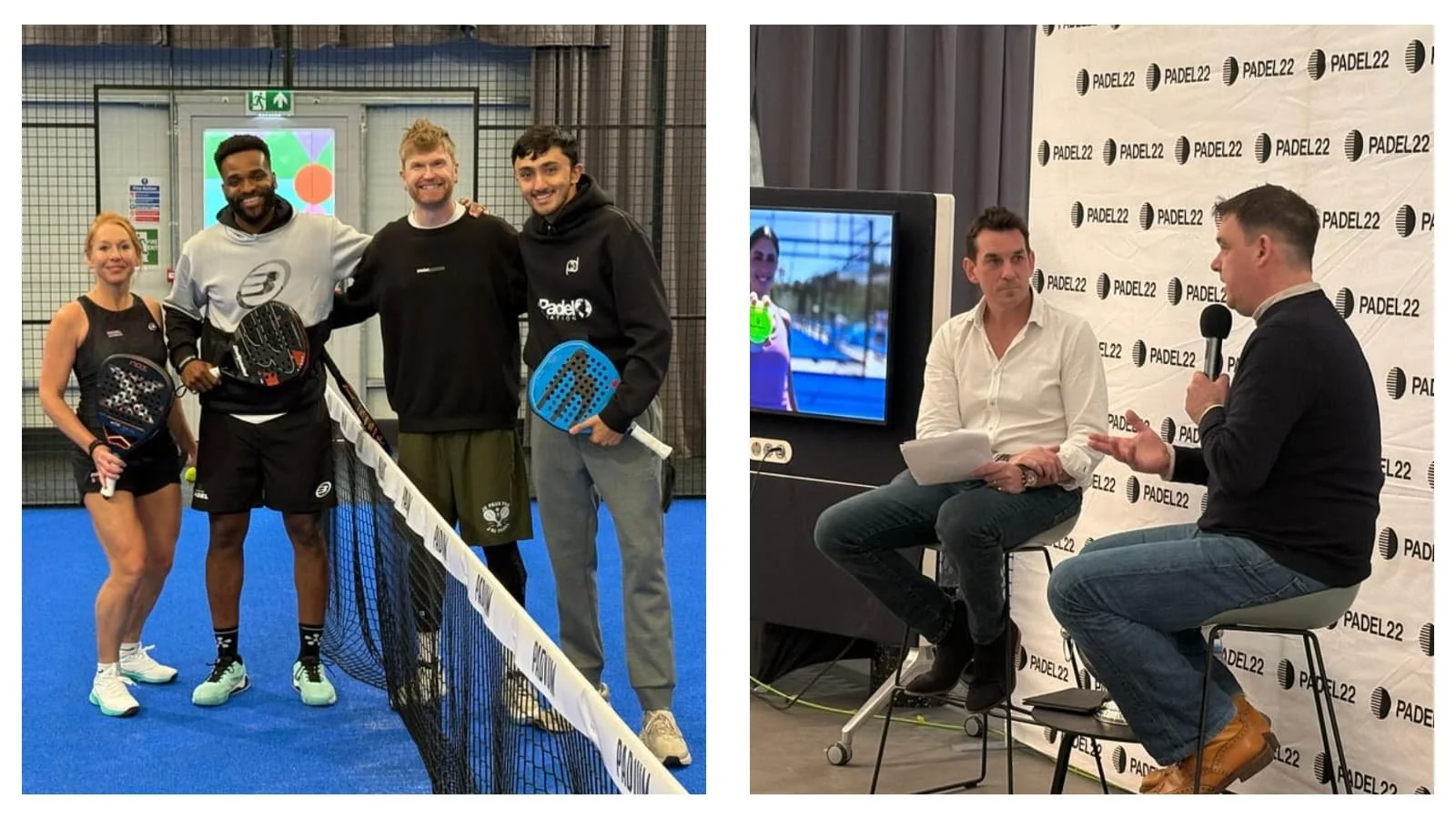
GB international Nikhil Mohindra provided insight into how quickly the level of the sport is evolving in the UK.
“You’ve now got ex-Wimbledon junior champions and top ATP players coming into padel,” he said. “The level is rising every year.”
Having first played in 2016 when courts were largely empty, Mohindra has seen the sport transform into a much more competitive and professional environment.
He has also worked with high-profile athletes including Cristiano Ronaldo, John Terry, and David Beckham, using that visibility to grow the sport through The Padel Foundation.
Mohindra pointed to his experience working with Ronaldo as an example of how seriously elite athletes are now taking padel.
“We were playing every day for a couple of weeks from nine to eleven,” he said. “I’d get there at 8am to set up and he’d already been there since 7am warming up.”
YOU MAY ALSO LIKE: Conquer Padel Introduces lululemon Apparel at Its Clubs
Padel, price and the social shift with British pubs in decline
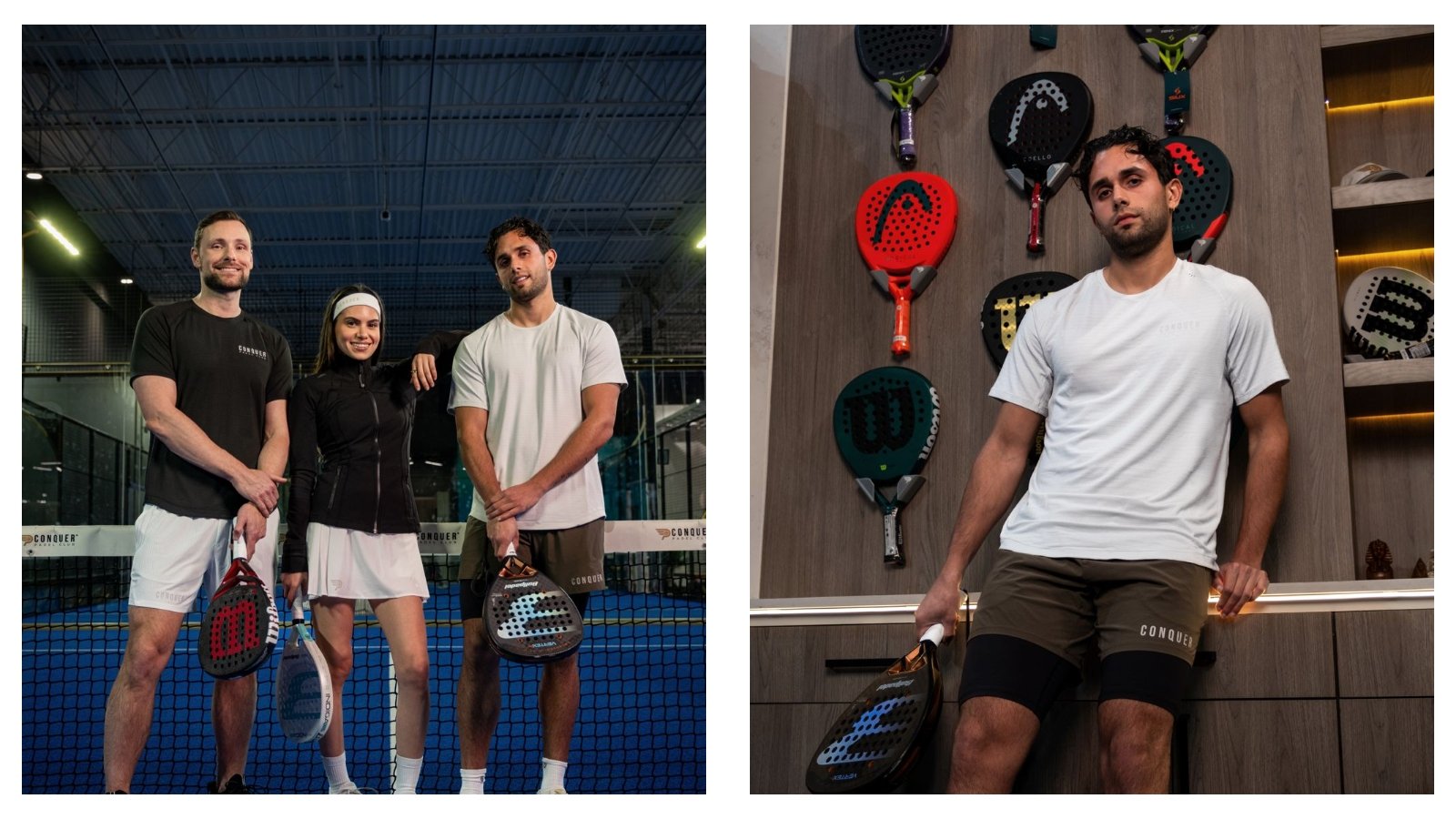
Padium founder Houman Ashrafzadeh pushed back on the idea that padel is prohibitively expensive, arguing that its value lies in the wider experience, not just the court itself.
“You’re paying for real estate. You’re hiring a space,” he explained. “Courts cost around about 10% of an overall club. We charge £80 per hour, so £20 per person.”
Ashrafzadeh also positioned padel within a broader shift in how people choose to spend their time.
“Pubs [in the UK] are great but they’re also on the decline. People are drinking less. Padel is something you can do that combines doing something healthy with that social aspect,” he said, adding that “a pint of beer is now £7–£8”.
He pointed to padel’s ability to create genuine social interaction as one of its defining strengths.
“It’s a very social sport. Often with an open match you play with three strangers and afterwards you very often exchange numbers.
“When was the last time you met someone for the first time and exchanged numbers with them without wanting to buy or sell something from them? That happens on the padel court and it is so unique.”
A sport still early in its UK journey
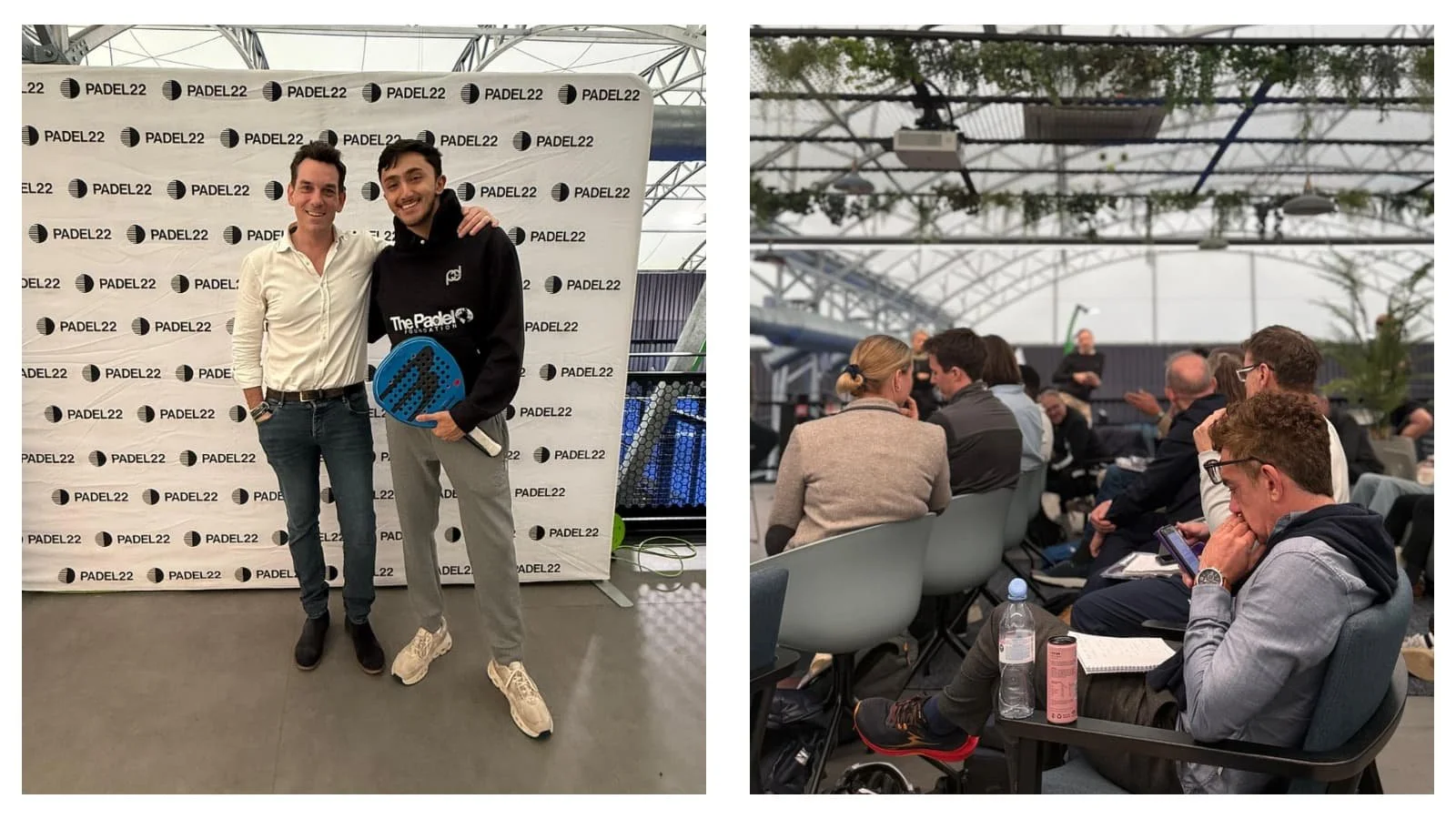
Across the discussions, a consistent theme emerged: padel in the UK is still in its early phase. Growth is undeniable, but the next stage will depend on how well the sport builds its foundations:
Coaching pathways remain underdeveloped
Infrastructure is struggling to keep pace with demand
Female participation drops at higher levels
Olympic ambitions require long-term planning
At the same time, its accessibility, social appeal, and competitive edge continue to drive momentum.
As Emms concluded: “It’s got this incredible momentum because anyone can play it, at any level. The key now is making sure we build it properly.”
Future editions of the Padel 22 Media Sessions will be announced soon, including the second session, set to take place in New York City later in 2026.
READ NEXT: Padel news: Racquet 360 secures $9million funding round to accelerate US padel expansion