MMA analysis: When two belts become one problem
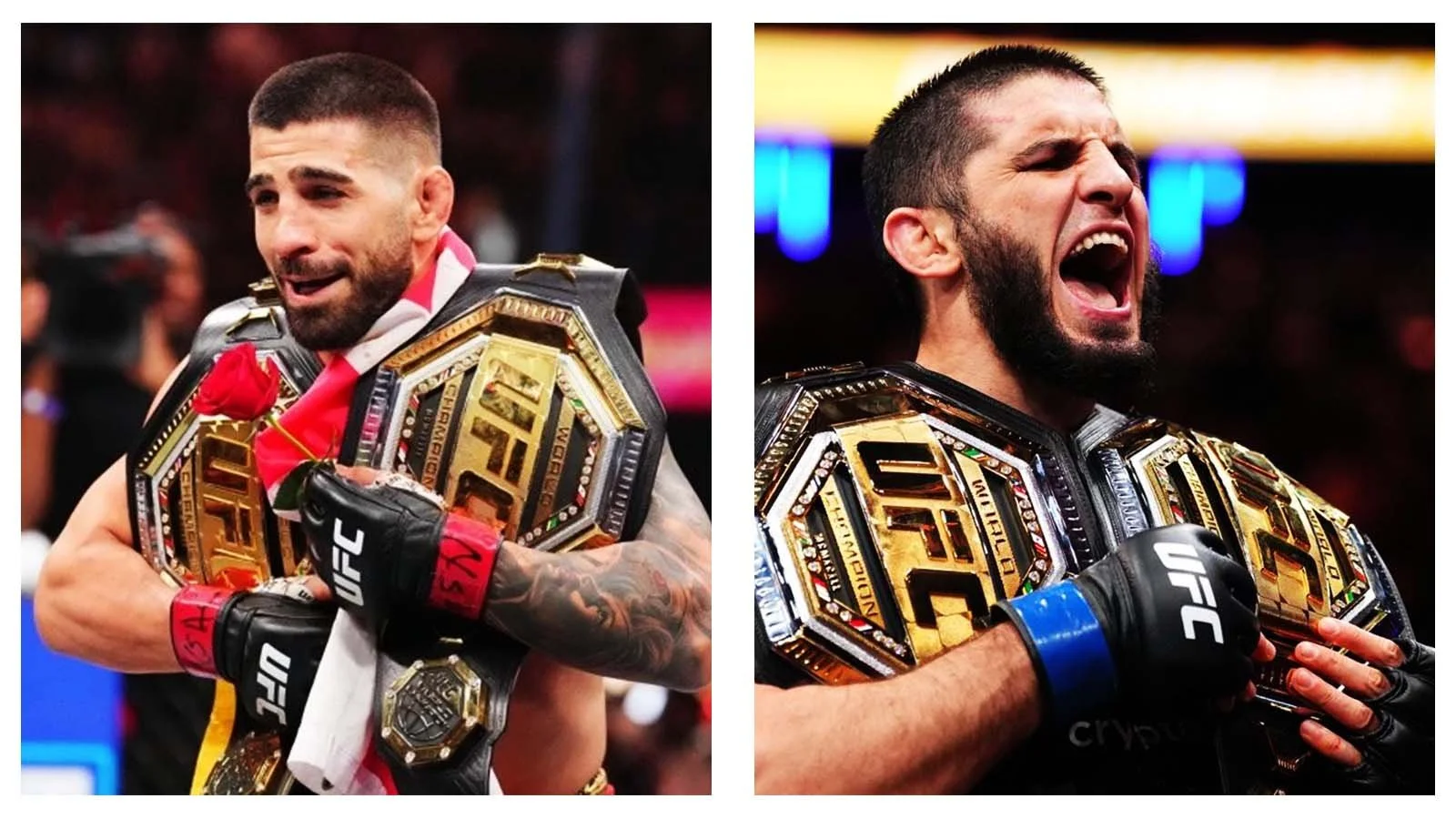
Winning belts in two different divisions is still the peak of achievement in MMA.
But with champs seemingly all too eager to move up, and less willing to defend at their own weight class, the UFC is having a hard time keeping divisions moving.
Sports News Blitz writer Ollie Hughes discusses the problems that arise when every champ is striving for a second belt.
There was a time when becoming a double champion in the UFC felt like a genuine sporting landmark.
When Conor McGregor knocked out Eddie Alvarez to hold two belts simultaneously in 2016, it carried the sense of something special, something unprecedented.
A moment that elevated both the fighter and the sport itself.
READ MORE: MMA news: Alex Pereira vacates UFC light heavyweight belt, Jiri Prochazka vs Carlos Ulberg set

A shortcut to legacy
Since then, the idea of claiming belts in two divisions has become one of MMA’s most coveted achievements, a shortcut to legacy in a career where opportunities are scarce and time moves quickly.
But as more champions began looking upward rather than defending the belt, the pursuit of that second title started to create problems the UFC never anticipated.
A division stalled
A division without a champ that wants to stay in the weight class, is a stalled one. While negotiations drag on, contenders are left waiting for opportunities that never materialise and all that momentum built towards a title shot grinds to a halt.
What began as a rare achievement, the opportunity for which was only presented to an elite few, now seems to be the ultimate goal of most champs.
It seems that most title holders now view their first belt as leverage for a second one elsewhere.
Interim belts have appeared as a temporary solution to a problem that didn’t previously exist. Contenders are left powerless to do anything but fight for the belt the UFC offers them, whether that be interim or undisputed.
Daring to be great
By chasing greatness across two weight classes, champions often leave the division they triumphed over suspended in uncertainty.
And it isn’t just one division that feels the effects. Contenders in the higher weight class can only watch as this upstart from the division below makes a claim to the belt they’ve had their eyes on from the beginning.
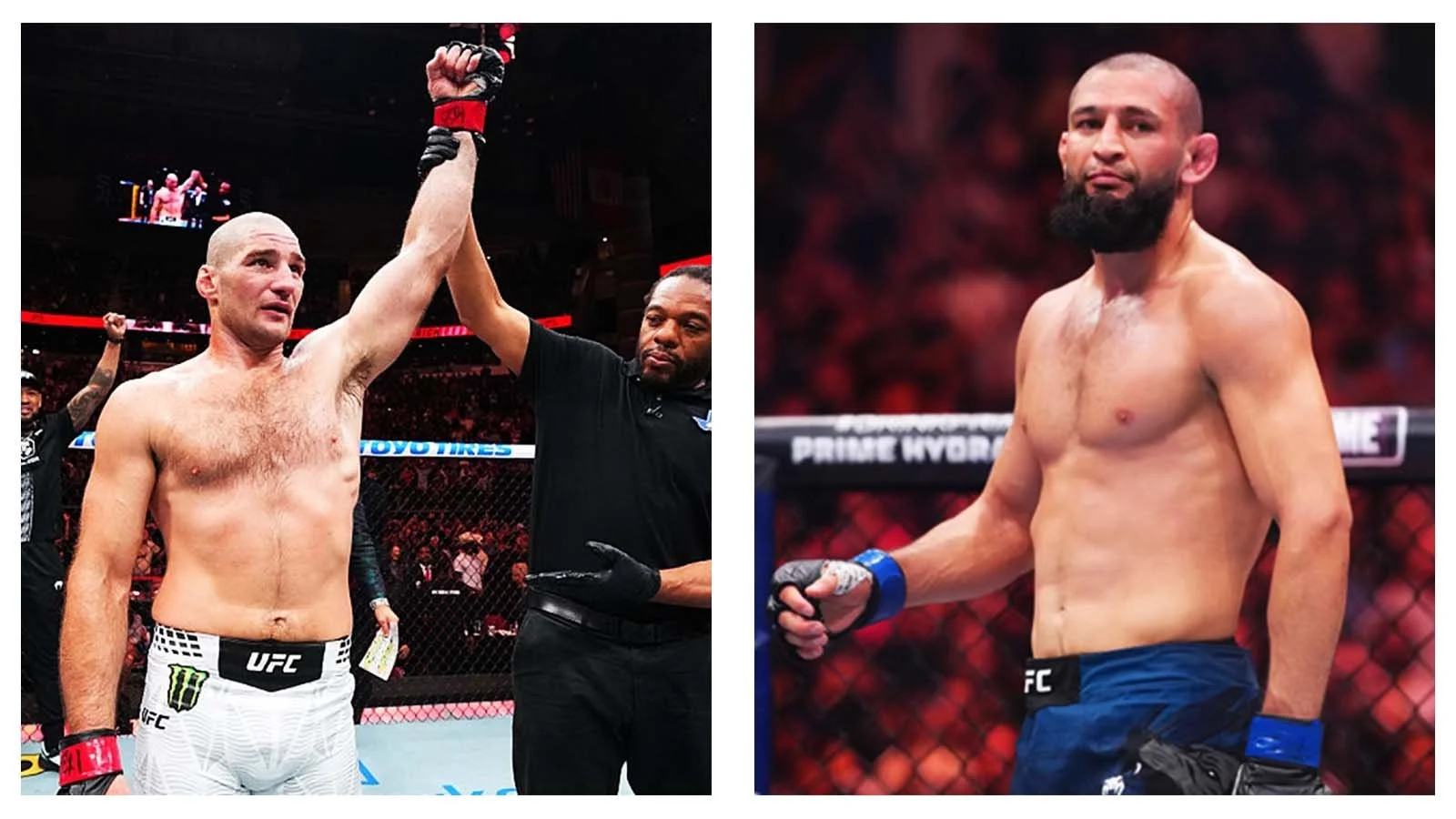
The current middleweight champ Khamzat Chimaev, as talented as he is, is the poster child for this modern phenomenon, with zero title defences, no defence booked and his social media suggesting he is willing to fight anyone but a contender.
Champions need challenges
No doubt there are conditions when a move up in weight class is warranted. When a champ is so far ahead of his or her competition, fighting larger opponents seems the only logical challenge.
Alexander Volkanovski earned his shot at the lightweight belt after a generational run at featherweight.
What business did Daniel Cormier have staying at light-heavyweight, after having beaten everyone not named Jon Jones?
Amanda Nunes, the first and only female double champ, earned her right to a second belt after defending twice to Valentina Shevchenko, who was trying to do the same.
When the prestige loses meaning
The double champ credentials are a fun novelty to add to the accolades of already legendary fighters but right now, its prestige is at risk of being diluted.
The UFC does seem to be becoming more aware of how this affects the sport, going so far as to strip Islam Mackachev of his lightweight belt before moving up, despite having done more than any modern champ to earn a chance at holding both simultaneously.
Motivations of a champ
This leads us onto another motivation for moving up, as Islam has been vocal on how draining the weight cut to 155lb has become for him.
If a champ can gain all the prestige of another belt while also cutting less weight, feeling better in themselves both out of camp and in the cage, it seems like a no-brainer.
Furthermore, MMA careers are short, unpredictable and rarely lucrative enough to guarantee long-term financial security. The chance for a bigger payday is just too much to pass up and fighters must make hay whilst the sun shines.
‘Not a career, an opportunity’
To quote Dana White: “The UFC isn’t a career, it’s an opportunity.” And the opportunity of becoming a double champ is a chance for a fighter to market themselves to a level of fame few others can attain.
When the UFC senses a marketing opportunity, there is very little, much less outcry from fans, that will dissuade them from a match-up.
And a double-champ fight is a marketeer's dream, with words like ‘legacy’, ‘pound for pound’ and ‘superfight’ thrown out to legitimize the hype.
YOU MAY ALSO LIKE: MMA opinion: Will Sean Strickland have a chance at middleweight gold again?
The real cost
The real cost of this trend is what fans lose in the process. A championship belt only carries weight if it is defended regularly against the best challengers.
History is built on dominant runs within a single division. Anderson Silva dismantled contender after contender at middleweight, Georges St-Pierre methodically clearing out welterweight, Demetrious Johnson defending his flyweight title year after year.
Every challenger met
Those reigns gave the belts meaning because every challenger had their turn and every defence added to the legend.
When this tried and true process is abandoned, the lineage of the belts becomes near meaningless as champions move up and are inevitably stripped, unable to defend both concurrently.
Who loses? The fans
Double champions will always have their place in MMA. When it happens organically, it can produce moments that define eras.
But right now, the double champ gimmick has become a strain on talent rich divisions, depriving fans of the most meaningful match-ups.
After all, the greatest champions don’t just conquer their divisions. They rule them.
READ NEXT: MMA opinion: Why is Tom Aspinall being vilified after getting fouled?