How Fast Can a Racing Horse Run and What Affects Its Speed?
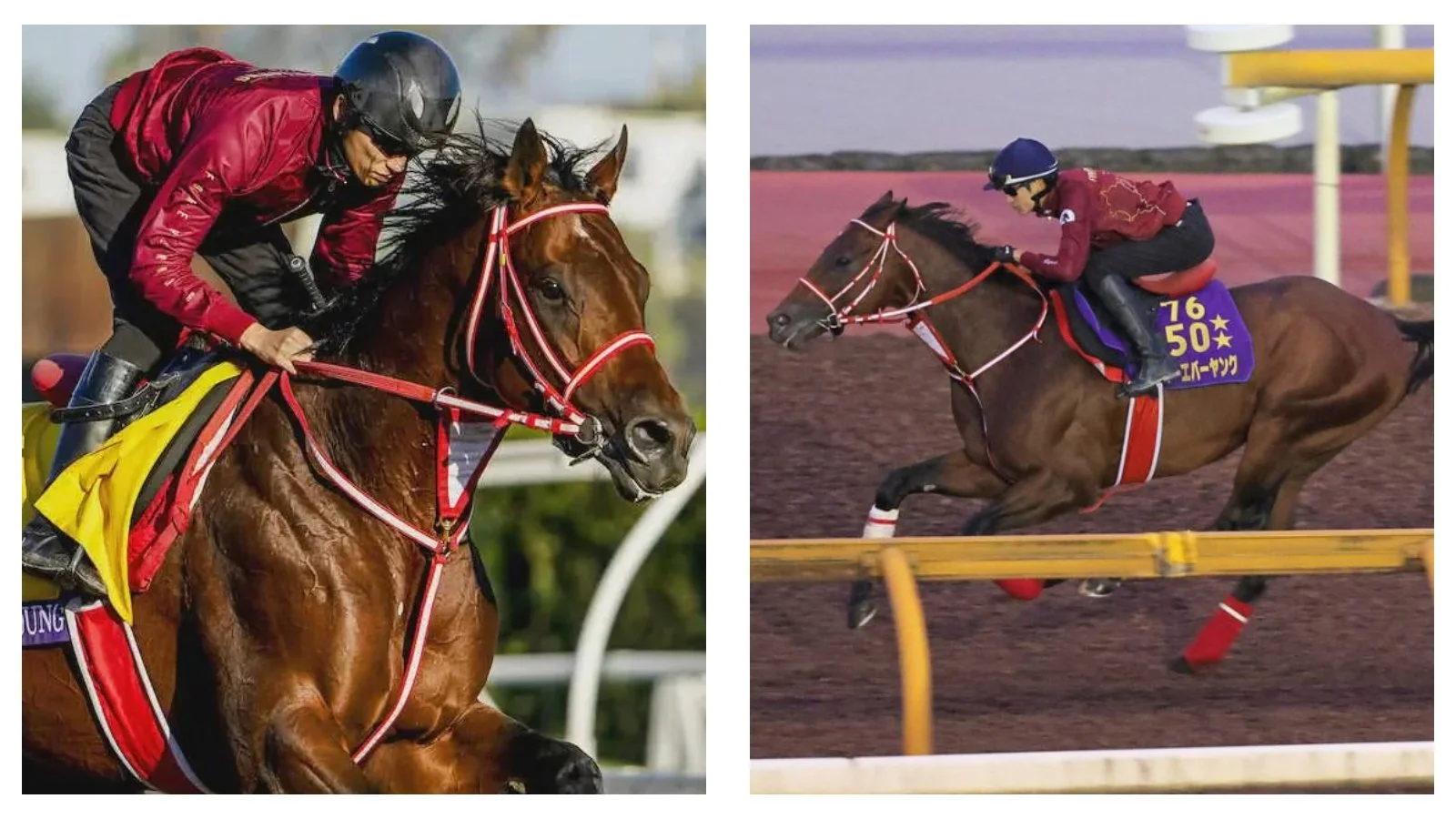
If you’ve ever stood trackside when the gates open, you know the sound hits you before the speed does. Hooves pounding, dirt flying, and suddenly a pack of thoroughbreds explodes past like living rockets.
It always leaves people asking the same thing: how fast can a racing horse run? And maybe more importantly, what actually makes them that fast?
Before you throw down your next pick on BetUS horse racing, it’s worth pulling back the curtain on the numbers, the legends, and the little details that decide whether a horse just keeps up or becomes unforgettable.
So, How Fast Do Race Horses Run Anyway?
Here’s the straight answer: most thoroughbreds in flat racing cruise at around 35 to 40 mph. That’s their comfort zone when they’re fully stretched out. But the truly elite ones—the freak athletes—can creep up toward 44 or even 45 mph in short bursts.
To put that in perspective, Usain Bolt, the fastest man alive, topped out around 27–28 mph during his world record sprint. A horse at full tilt would leave him ten strides behind before the first turn.
The Legends of Speed – Finding the Fastest Race Horse
Secretariat still feels untouchable. His 1973 Belmont Stakes run wasn’t just a win; it was a demolition. He finished the mile and a half in 2 minutes and 24 seconds, a record that has survived half a century.
That’s 31 lengths ahead of the next horse, which is basically “see you later” territory. But Secretariat’s not the only name on the list.
Black Caviar in Australia went undefeated, Frankel in the UK never lost, and Man o’ War, from the 1920s, was so dominant that people said racing against him felt unfair. When folks talk about the fastest racehorse, it’s not just about stopwatch numbers; it’s about dominance.
What Really Decides a Horse’s Speed?
The answer isn’t simple—it’s a cocktail of genetics, training, and the people who guide them.
Jockeys and Horses – A good jockey isn’t just a passenger. They’re part strategist, part motivator. Knowing when to hold back and when to ask for everything separates wins from near-misses.
Track Conditions – Mud, rain, even a windy afternoon can shave seconds off a run. A firm, dry track is when records fall.
Race Distance – A sprinter built for six furlongs won’t pace the same as a horse bred for endurance. Some can burn out quickly, while others have the lungs to last.
Training and Bloodlines – Speed doesn’t just show up one morning. It’s bred in, then refined with years of conditioning, feeding, and care.
Can a Horse Outrun Usain Bolt?
No contest. Even an average racing horse would dust Usain Bolt by several lengths. Horses have stride lengths over 20 feet, and their lungs are built like turbo engines. Bolt may be the king of humans, but against a horse, he’s just jogging.
What Horse Has Never Lost a Race?
That’s rarer than you’d think. Black Caviar retired undefeated, with a record of 25–0, which is almost unheard of in racing.
Frankel went 14–0 in the UK, and both are remembered not just for their speed, but also for consistently showing up every single time. That consistency is a different kind of greatness.
Are Male or Female Horses Faster?
Most of the time, male horses edge out on speed thanks to size and muscle. But don’t think mares can’t hang. Zenyatta, Rachel Alexandra, and Winx proved that female champions can outrun and outlast the boys when it counts.
The Bigger Picture
So, how fast can a racing horse run? About 40 mph most days, maybe 45 if you’re talking about a rare one. But numbers don’t really capture it.
The magic is when the horse digs in, the jockey leans low, and the whole track feels like it’s shaking. Racing is about speed, yes, but also heart and the bond between jockeys and horses.
And that’s why people keep watching. It’s not about the stopwatch; it’s about the sight of raw power and beauty flying past. A horse at full stride looks like poetry with muscle, and no stat will ever explain that feeling.
Every race reminds us that legends come from the fight, the story, and the spectacle - not just the speed.
READ NEXT: Royal Ascot 2026 guide: When is it, times, big races, trainers, jockeys and more